
Every business now competes online, and people who can win customers on the internet are in high demand. Whether you want to land a job, start freelancing, or grow your own brand, digital marketing skills can open doors in almost any industry.
But “digital marketing” is a broad field. It covers search engines, social platforms, paid ads, email, data and more. This guide breaks down the skills that matter most, how to learn them, and how to show them to clients or employers.
Why Digital Marketing Skills Matter Today
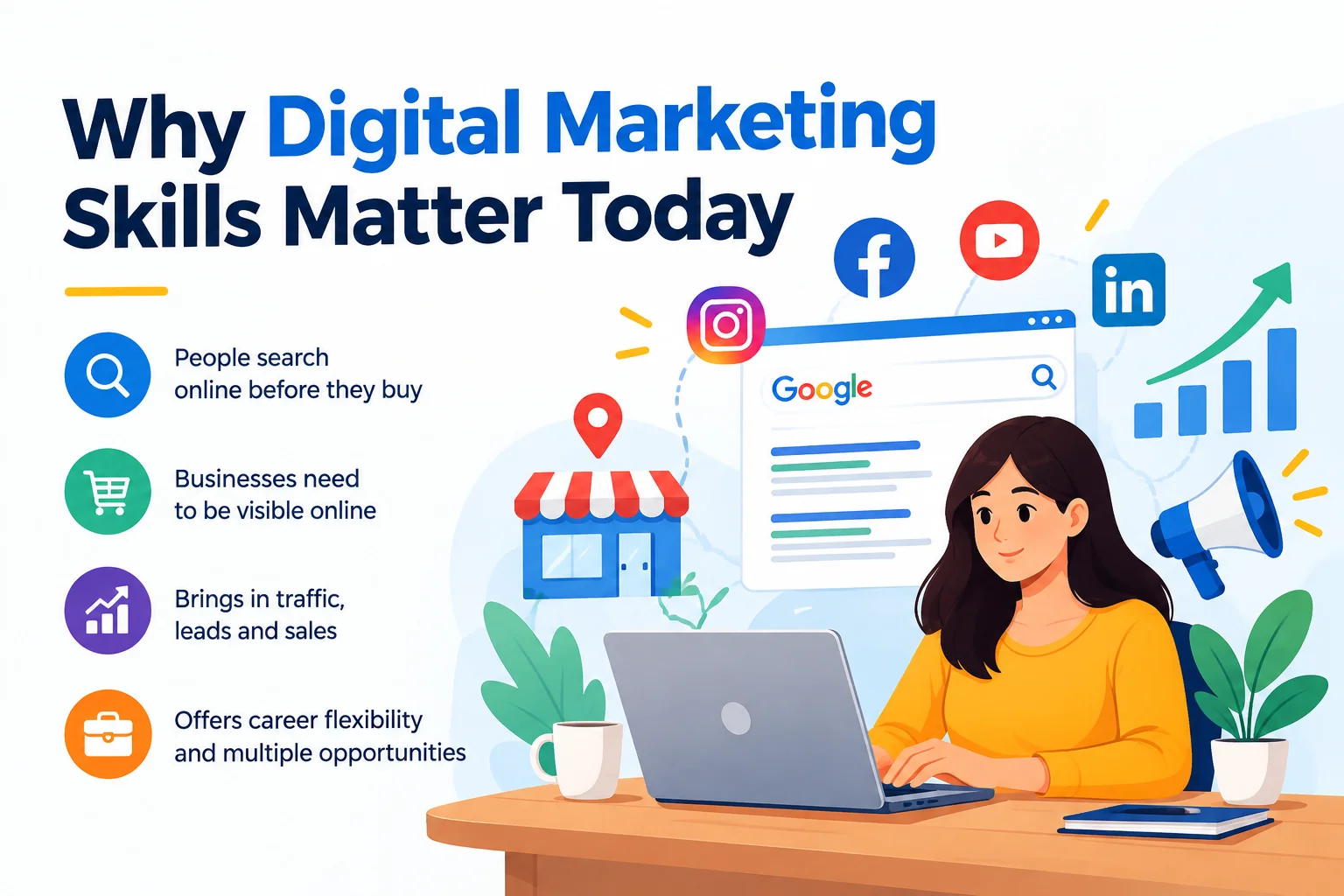
People now search, shop, watch and compare online before they buy. A local shop, a startup and a global brand all need to be visible where their customers spend time. That is why companies keep hiring marketers who can bring in traffic, leads and sales.
For individuals, these skills offer real flexibility. You can work in a company, join an agency, freelance for clients, or build your own online business. Many of the tools are free or affordable, so the main investment is time and practice.
What Are Digital Marketing Skills?

Digital marketing skills are the abilities you need to promote products, services or brands through online channels. They fall into two groups:
Technical skills, such as SEO, paid advertising and analytics, which involve tools and platforms.
Soft skills, such as communication, creativity and adaptability, which help you apply those tools well.
The best marketers are strong in both. A person who can run ads but cannot write a compelling message will struggle, and so will a great writer who cannot read the data.
Core Digital Marketing Skills
- Search Engine Optimization (SEO)
SEO is the practice of improving your website so it ranks higher on search engines like Google. It brings in free, long-term traffic from people already searching for what you offer.
Key SEO abilities include:
Keyword research: finding the words your audience actually types into search.
Optimizing titles, headers, content, and images is known as “on-page SEO.”
Technical SEO is improving a website’s performance, mobile friendliness, and crawlability..
Link building: earning backlinks from trustworthy websites.
For e-commerce brands, SEO is especially valuable because well-ranked product and category pages keep bringing in buyers without ongoing ad spend. The benefits accumulate over time, but it requires patience.
- Social Media Marketing
Social media marketing means using platforms like Instagram, Facebook, YouTube, LinkedIn and WhatsApp to build awareness, engage people and drive sales.
Strong social media marketers know how to:
Plan content calendars and post consistently.
Create short videos, reels, carousels and stories.
Understand what each platform’s audience wants.
Respond to comments and messages to build community.
Run paid social campaigns with clear targeting.
Success here is not about posting more. It is about posting content people want to watch, share and act on. A brand that listens to its audience and replies like a real person will always beat one that only broadcasts offers.
- Google Ads and Paid Advertising
Paid advertising puts your offer in front of the right people quickly. Google Ads is the most popular choice, covering search ads, display ads, shopping ads and YouTube ads.
Important skills include:
Setting up campaigns with clear goals.
Choosing keywords and writing ad copy that earns clicks.
Managing budgets and bids.
Building landing pages that convert.
Testing and improving ads continuously.
Paid ads reward discipline. A marketer who can lower the cost of each customer while keeping quality high is extremely valuable. Paid ads are also a great complement to SEO, since they deliver visibility while organic rankings are still growing.
- Content Marketing
Content marketing is the foundation of almost every other channel. Blog posts, videos, guides, newsletters, infographics and product descriptions all educate your audience and build trust.
A skilled content marketer can:
Understand the audience and their questions.
Plan topics that match different stages of the buying journey.
Write clearly, with a natural and helpful voice.
Optimize content for search engines.
Repurpose one idea into many formats.
Good content supports SEO, feeds social media and gives your ads something worth clicking. For online stores, strong content turns casual visitors into confident customers.
- Performance Marketing
Performance marketing focuses on measurable results such as clicks, leads and sales. You pay for outcomes, so tracking and optimization are central.
This skill involves:
Setting goals and key performance indicators (KPIs).
Tracking conversions with tools like Google Analytics and pixels.
Testing creatives, audiences and offers.
figuring out cost per acquisition and return on ad spend (ROAS).
Scaling what works and cutting what does not.
Performance marketers think like analysts and act like experimenters. They let the numbers guide every decision.
Supporting Skills That Set You Apart
Data Analytics
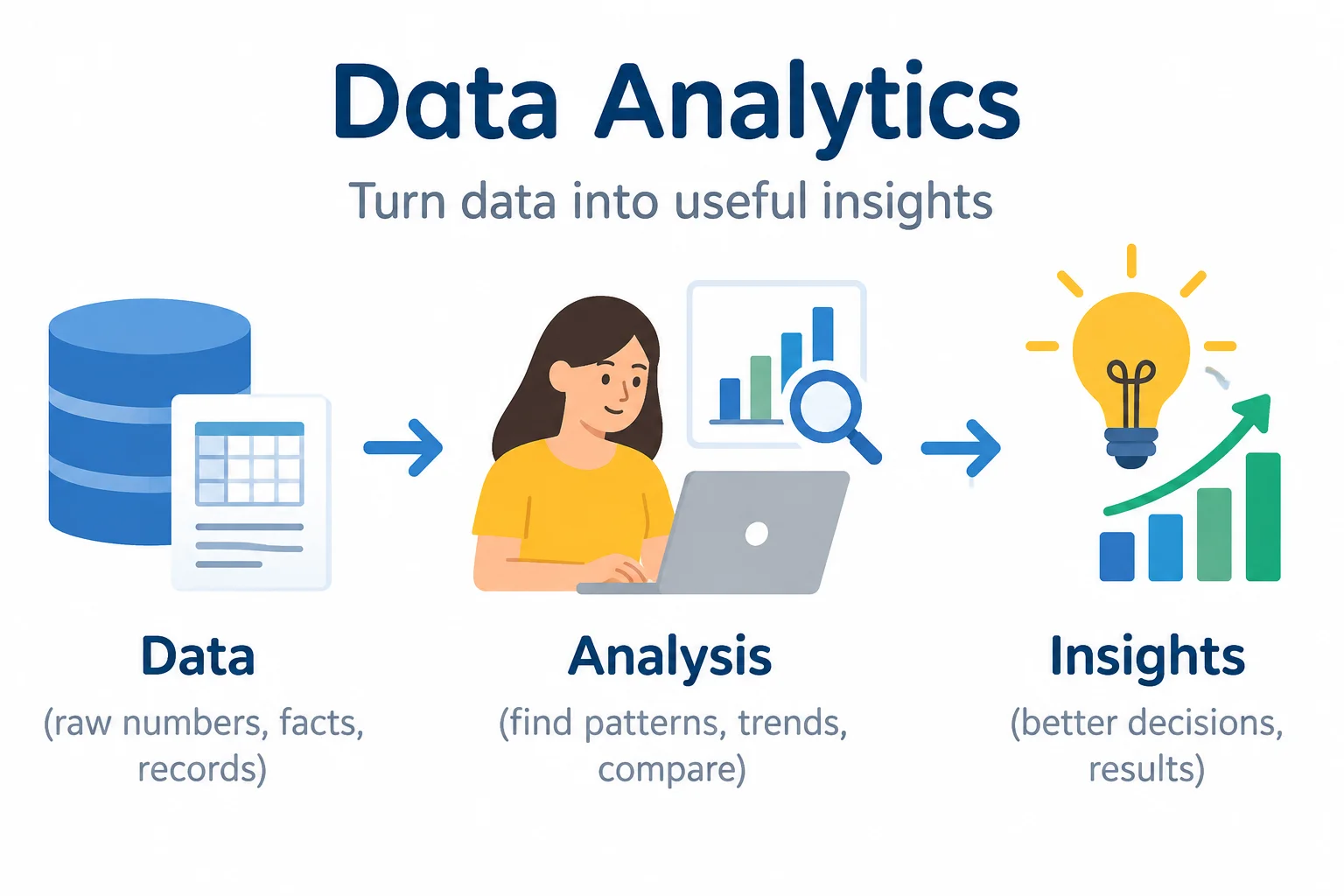
Marketing without data is guesswork. Learn to read reports in Google Analytics, Search Console and ad dashboards. Focus on understanding traffic sources, user behavior and conversion rates, then turn those numbers into decisions. You do not need to be a data scientist. You need to ask good questions and spot patterns.
Copywriting
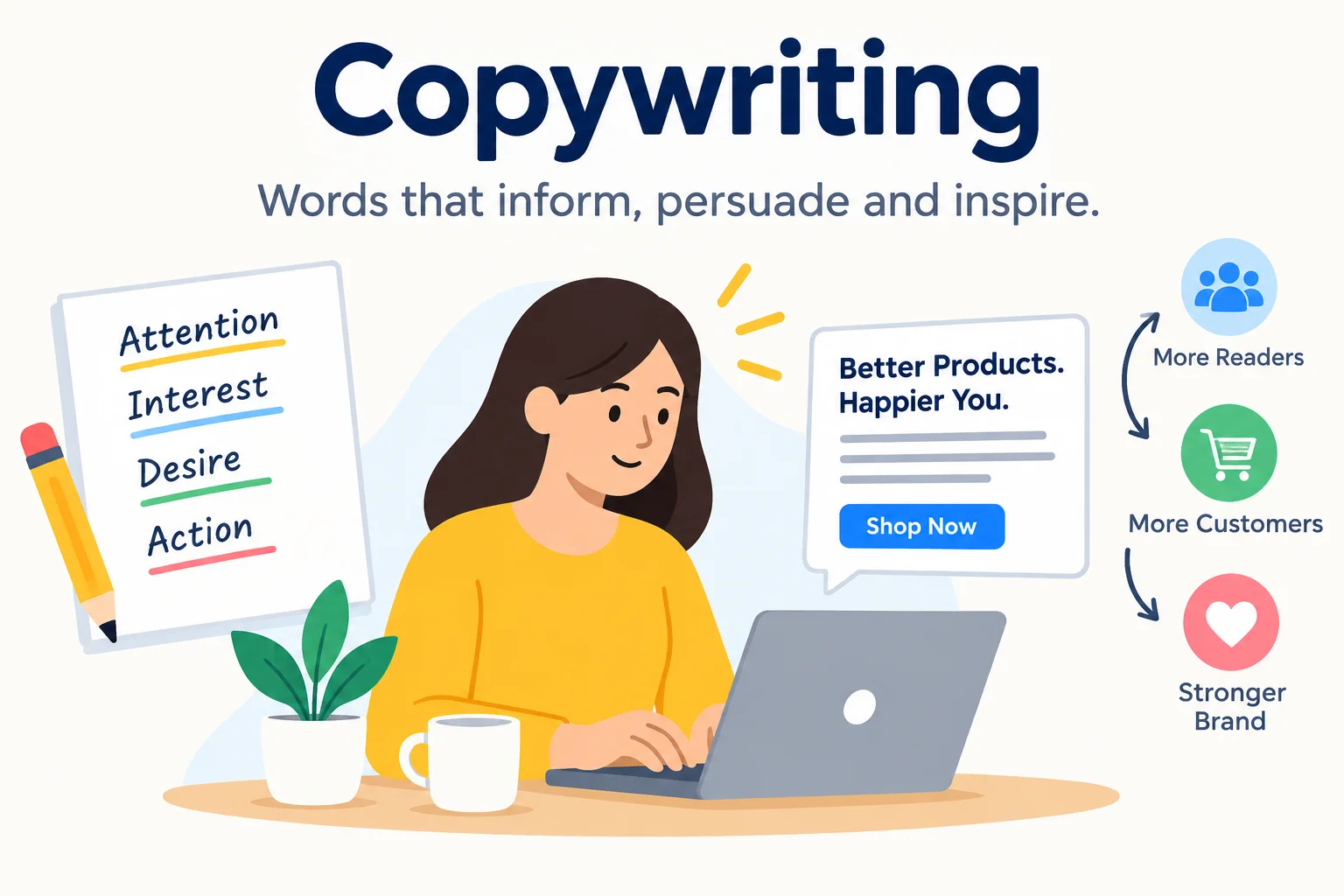
Words drive action. Good copywriting helps you write headlines that grab attention, product descriptions that sell and ads that people click. It is useful in every channel, from email subject lines to landing pages. The best copy is clear, specific and focused on the reader’s problem.
Email Marketing
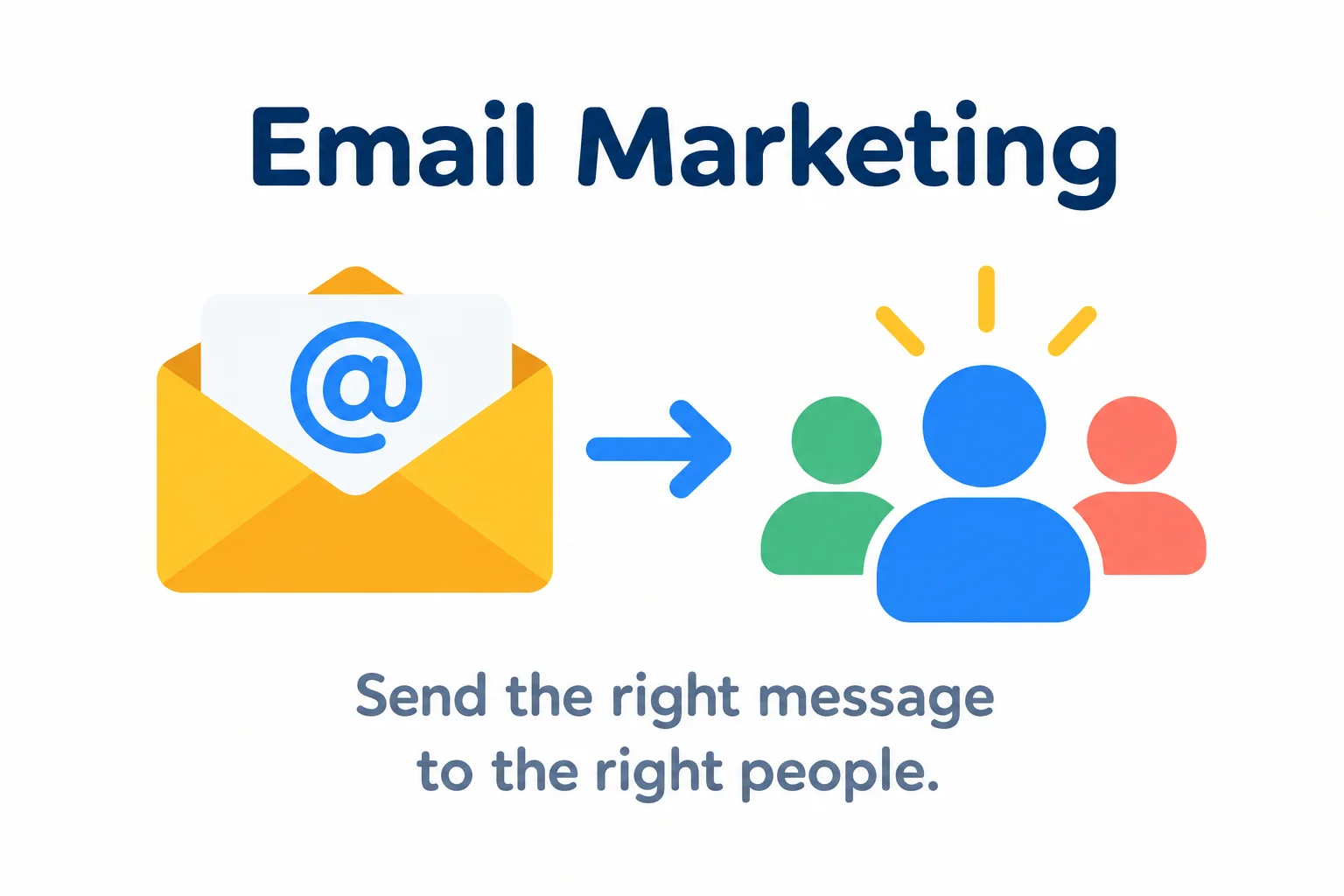
Email remains one of the best channels for return on investment. Useful abilities include building and segmenting lists, writing engaging newsletters, setting up automated sequences such as welcome emails and abandoned cart reminders, and tracking open and click rates.
Basic Design and Video
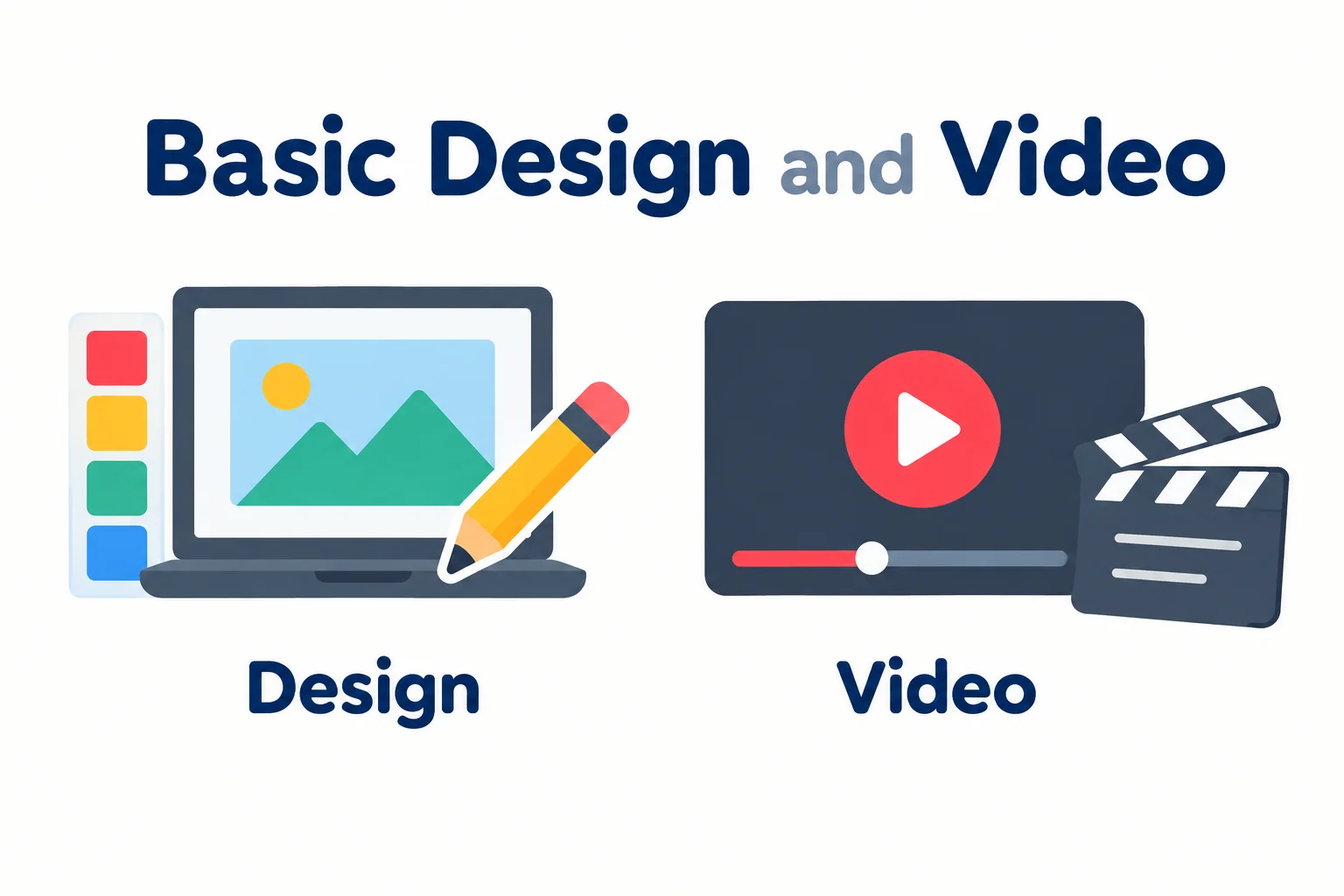
You do not have to be a professional designer, but simple tools like Canva and mobile video editors let you create clean graphics, thumbnails, reels and infographics. Visual content gets attention, and being able to produce it yourself saves time and money.
Communication and Adaptability
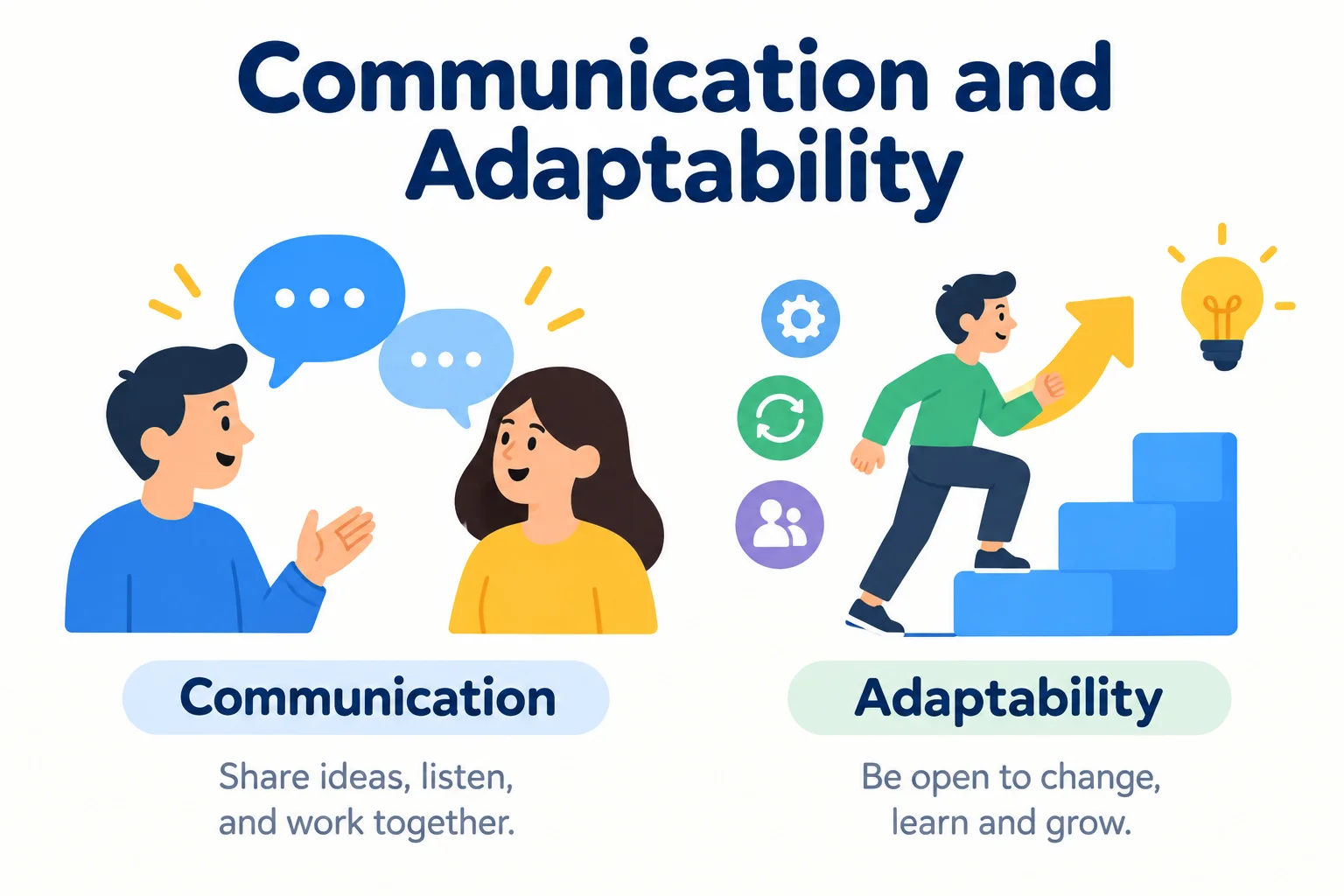
Digital marketing changes constantly. Algorithms shift, new platforms appear and audience habits evolve. Marketers who learn quickly, explain ideas clearly and work well with clients and teams will always stay ahead.
How to Learn Digital Marketing Skills
You do not need a huge budget to get started. Here is a practical path:
Start with the fundamentals. Learn how SEO, social media, ads and content fit together before specializing.
Take structured training. A good course gives you a clear roadmap, hands-on practice and expert feedback.
Use free tools. Google Analytics, Google Search Console, Google Keyword Planner and Canva cost nothing and teach real skills.
Build your own project. Launch a tiny online store, a blog, or a social media website. Real experience teaches faster than theory.
Try an internship or freelance work. Working with real businesses shows you how campaigns behave in the real world.
Stay updated. Follow trusted marketing blogs, newsletters and official platform announcements.
Pick a specialty. Once you understand the basics, go deeper in one area, such as content marketing or performance marketing, to stand out.
Consistency matters more than speed. Even an hour of focused practice each day adds up to real skill within a few months.
How to Showcase Your Digital Marketing Skills
Having skills is only half the job. You also have to prove them.
Build a portfolio website. Show case studies, campaigns and results with real numbers wherever possible.
Share your work publicly. Write blog posts, post on LinkedIn and publish guest articles to demonstrate expertise.
Earn certifications. Credentials from Google, Meta or recognized training institutes add credibility.
Collect testimonials. Feedback from clients or employers builds trust quickly.
Present results, not tasks. Instead of “managed social media,” say “grew engagement by 40% in three months.”
Keep your profiles active. A polished LinkedIn page and consistent online presence make you easier to find and hire.
If you are just starting and have no client results yet, create sample projects. A mock campaign for an imaginary store, or growth results from your own blog, still shows how you think.
Common Mistakes to Avoid
Trying to learn everything at once. Digital marketing is huge. Build a strong foundation first, then add skills step by step.
Ignoring data. Decisions based on opinions instead of numbers waste time and money.
Chasing trends without strategy. Not every new platform or tactic suits your audience. Choose channels based on where your customers are.
Neglecting content quality. Thin, copied or keyword-stuffed content hurts trust and rankings.
Skipping practice. Reading about marketing is not the same as doing it. Try out ideas, embrace errors, and grow from them.
Forgetting the customer. Great marketing solves real problems for real people. Always start with the audience’s needs.
Final Thoughts
Digital marketing skills are some of the most valuable and adaptable abilities you can develop today. Start with the core pillars of SEO, social media, paid ads, content and performance marketing, then strengthen them with analytics, copywriting, email, design basics and clear communication.
Keep learning, keep testing and keep your focus on delivering real results. Whether you aim for a career, a freelance business or growth for your own brand, strong digital marketing skills will help you get there.
Frequently Asked Questions (FAQ)
- Which digital marketing skills are most essential?
The key skills include SEO, social media marketing, content marketing, paid advertising ( like Google Ads), performance marketing, and data analytics. . Copywriting, email marketing and communication add extra strength.
- Can a beginner learn digital marketing without a technical background?
Yes. Most digital marketing tools are designed for non-technical users. With structured training, free tools and hands-on practice, beginners can build job-ready skills in a few months.
3.How much time is needed to learn digital marketing?
You can learn the basics in two to four months with consistent effort. Becoming confident and results-driven usually takes six to twelve months of practical experience with real campaigns.
- Which digital marketing skill is most in demand?
Performance marketing, SEO and content marketing are consistently in high demand, especially among e-commerce brands that want measurable growth. Demand varies by industry and location, so check current job listings in your area.
- How can I prove my digital marketing skills to clients or employers?
Build a portfolio with case studies and real results, earn recognized certifications, publish helpful content, and gather testimonials. Showing measurable outcomes is more convincing than listing tools.
I can also add a short author bio with your website at the end, or put this in a file if you’d like.
Autor shanid