
In a world where over 5.4 billion people are connected to the internet and the average user spends nearly seven hours online every day, the scope of digital marketing has never been broader — or more consequential. From a small bakery using Instagram Reels to attract foot traffic, to a Fortune 500 company deploying AI-driven programmatic advertising at scale, digital marketing touches every tier of commerce, every industry, and virtually every demographic on the planet.
But what exactly does “scope” mean in this context? It refers to the full breadth of channels, strategies, disciplines, and career opportunities that fall under the digital marketing umbrella. Understanding this scope of Digital marketing is essential for businesses looking to invest wisely, marketers looking to grow their careers, and entrepreneurs looking to compete in a crowded digital landscape.
What Is Digital Marketing?
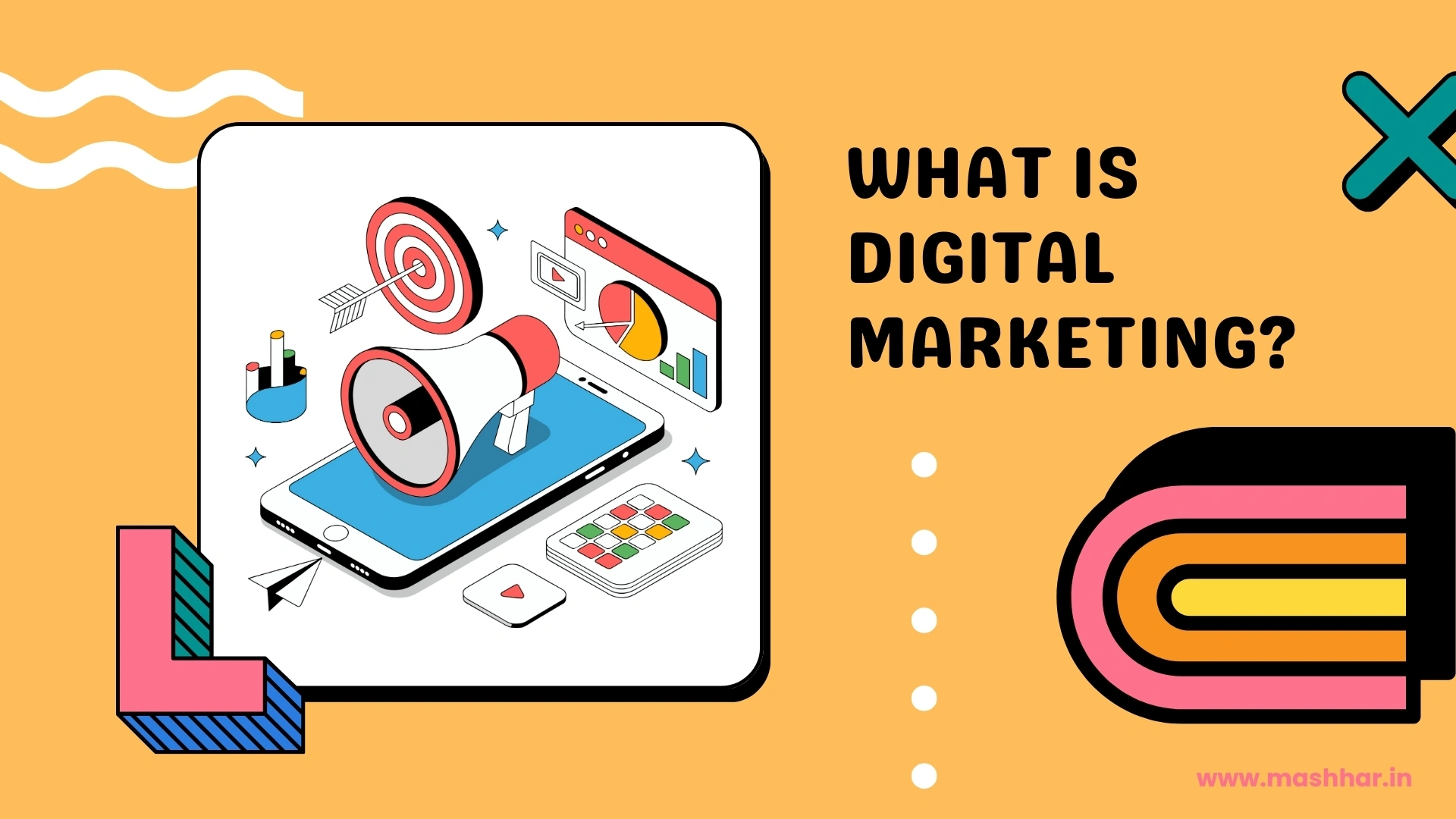
At its core, digital marketing is the promotion of products, services, or brands through digital channels and technologies. Unlike traditional marketing — which relies on print, television, radio, and billboards — digital marketing is interactive, measurable, and deeply personalizable. It allows businesses to reach precisely defined audiences, track campaign performance in real time, and adjust strategies on the fly based on data.
The discipline encompasses everything from crafting a social media post to running a technically complex pay-per-click campaign, from writing a blog post optimized for Google to designing an automated email funnel that nurtures leads over several weeks. The common thread is the use of digital technology as the medium of communication and commerce.
The Core Channels of Digital Marketing
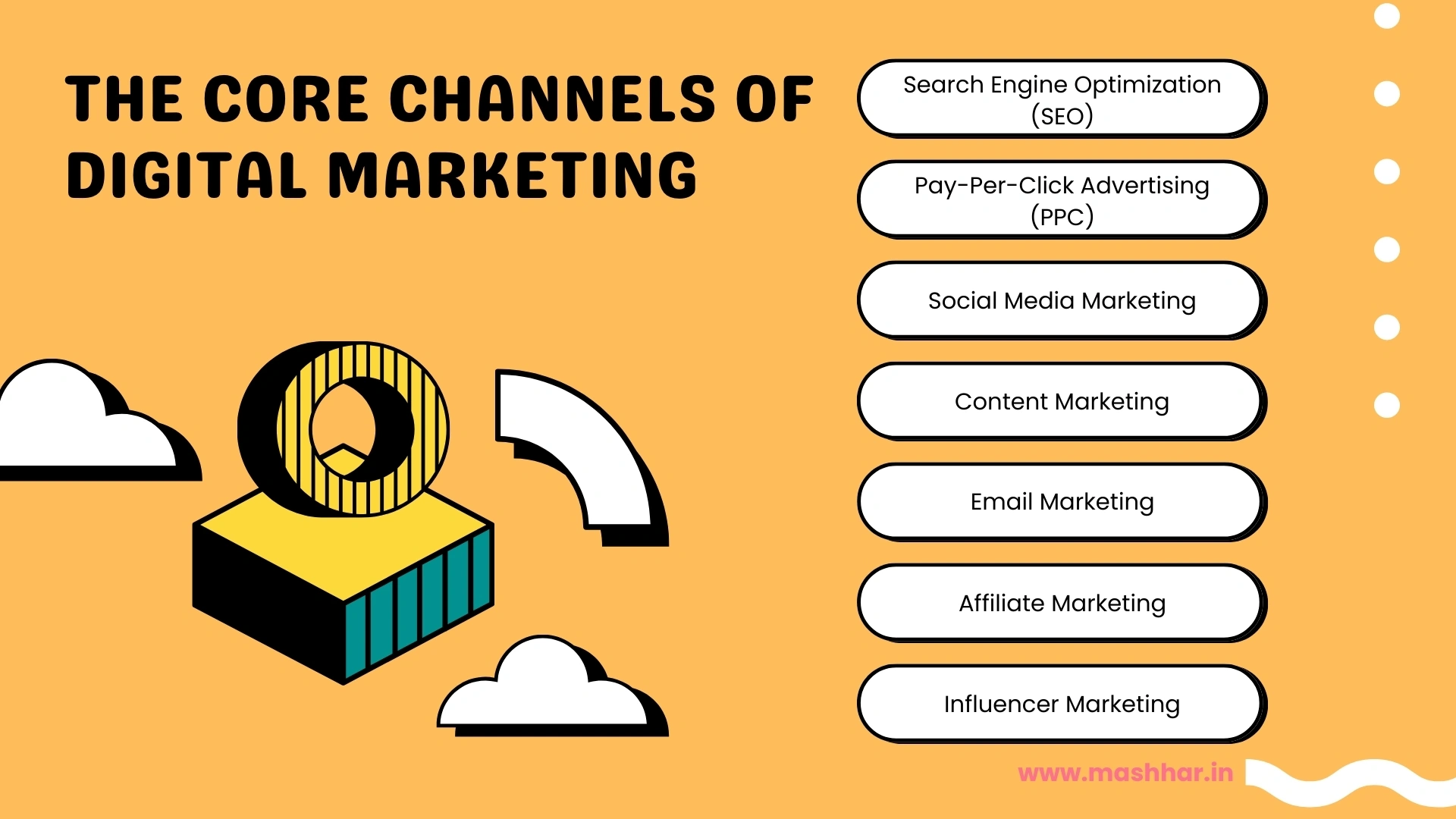
The scope of digital marketing is best understood by examining its primary channels, each of which represents a distinct strategy and skill set.
Search Engine Optimization (SEO) is the process of improving websites and content to appear higher in natural search engine results is known as search engine optimization, or SEO. SEO drives sustainable, long-term traffic and is the backbone of most content strategies. It includes on-page optimization, technical SEO, link building, and local SEO — all working together to make a brand more discoverable on Google and other search engines.
Pay-Per-Click Advertising (PPC) covers paid search and display advertising through platforms like Google Ads and Microsoft Ads. PPC delivers immediate visibility and is highly measurable, making it ideal for product launches, seasonal promotions, and competitive markets where organic ranking takes time.
Social Media Marketing involves building brand presence and engaging audiences on platforms like Instagram, Facebook, LinkedIn, X (Twitter), YouTube, and TikTok. This channel includes both organic content strategy — creating posts, stories, and videos — and paid social advertising, which allows brands to target users with extraordinary demographic and behavioral precision.
Content Marketing is the creation and distribution of valuable, relevant content — blogs, videos, infographics, podcasts, and whitepapers — designed to attract and retain a clearly defined audience. Great content marketing doesn’t just sell; it educates, entertains, and builds long-term trust between a brand and its customers.
Email Marketing remains one of the highest-ROI channels in all of digital marketing, generating an average return of $36 for every $1 spent. It encompasses newsletters, promotional campaigns, drip sequences, and automated behavioral emails triggered by user actions on a website or app.
Affiliate Marketing is a performance-based model where businesses reward external partners — affiliates — for driving traffic or sales through their own marketing efforts. It’s a low-risk, scalable channel particularly popular in e-commerce, software, and finance sectors.
Influencer Marketing has grown rapidly alongside social media culture. Brands partner with creators who have built trusted audiences in specific niches, leveraging their credibility to promote products in an organic, conversational way. The channel spans mega-influencers with millions of followers to micro-influencers with tightly engaged communities of a few thousand.
The Scope of Digital Marketing Across Industries
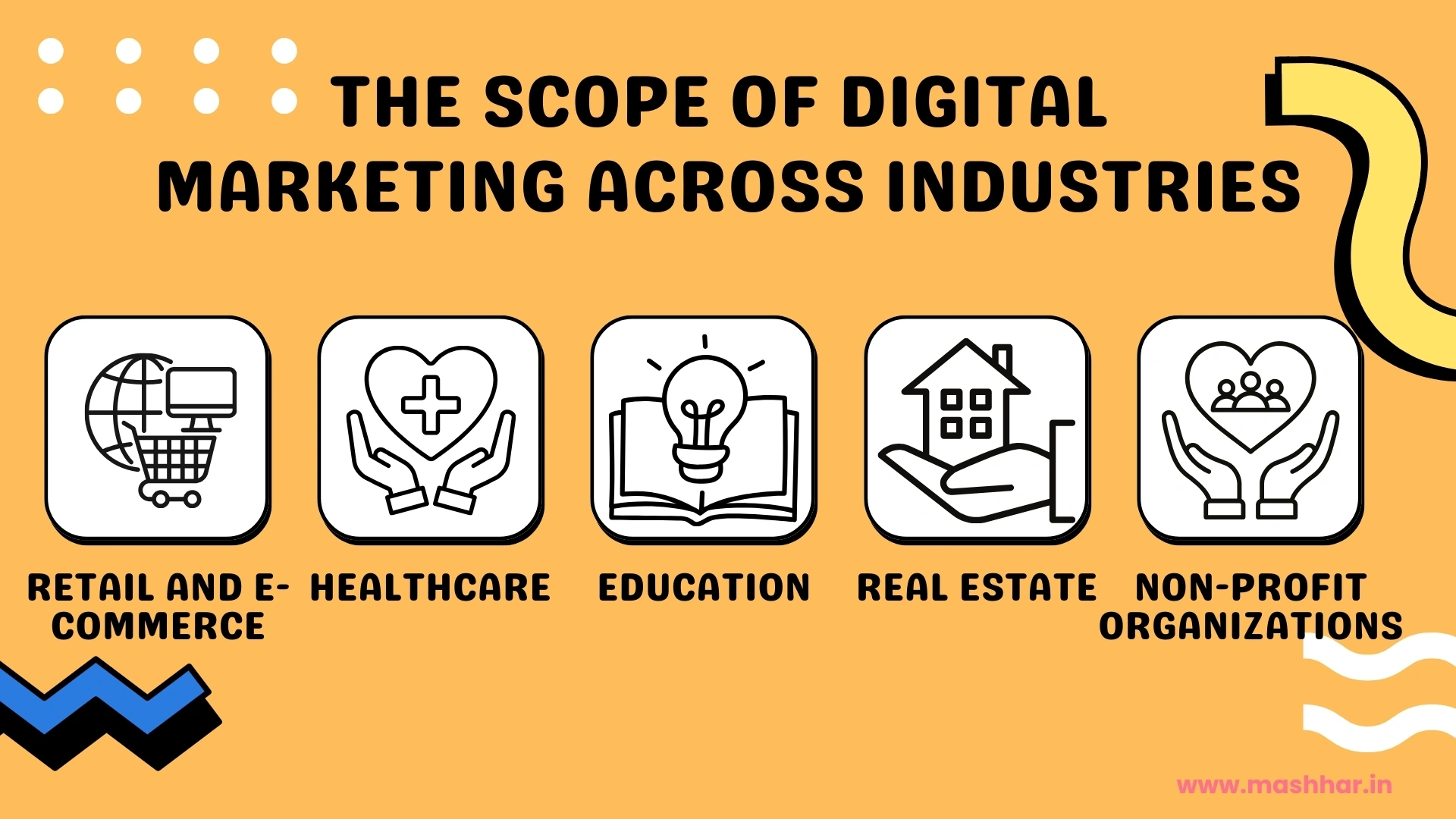
One of the most striking aspects of scope of digital marketing’s is its universality. There is no industry it has left untouched.
In retail and e-commerce, digital marketing is the primary growth engine. Brands use SEO, Google Shopping ads, social media campaigns, and email automation to drive traffic, recover abandoned carts, and increase repeat purchases. The rise of social commerce — buying directly through Instagram or TikTok — has further blurred the line between content and conversion.
In healthcare, hospitals and clinics use local SEO and Google Ads to connect patients with services. Health and wellness brands rely heavily on content marketing and YouTube to build authority and educate audiences before they ever consider purchasing a product.
In education, institutions use digital marketing to attract students through targeted ads, SEO-driven content, and email nurturing. EdTech platforms like Coursera and Udemy have built entire businesses on the back of digital marketing funnels.
In real estate, agents and developers use virtual tours, Facebook lead generation ads, and Google search campaigns to connect with buyers and renters at the exact moment they’re searching for properties.
Even non-profit organizations have embraced the scope of digital marketing — using social media storytelling, email campaigns, and search ads (through Google’s Ad Grants program) to raise awareness and drive donations.
Emerging Dimensions of Digital Marketing
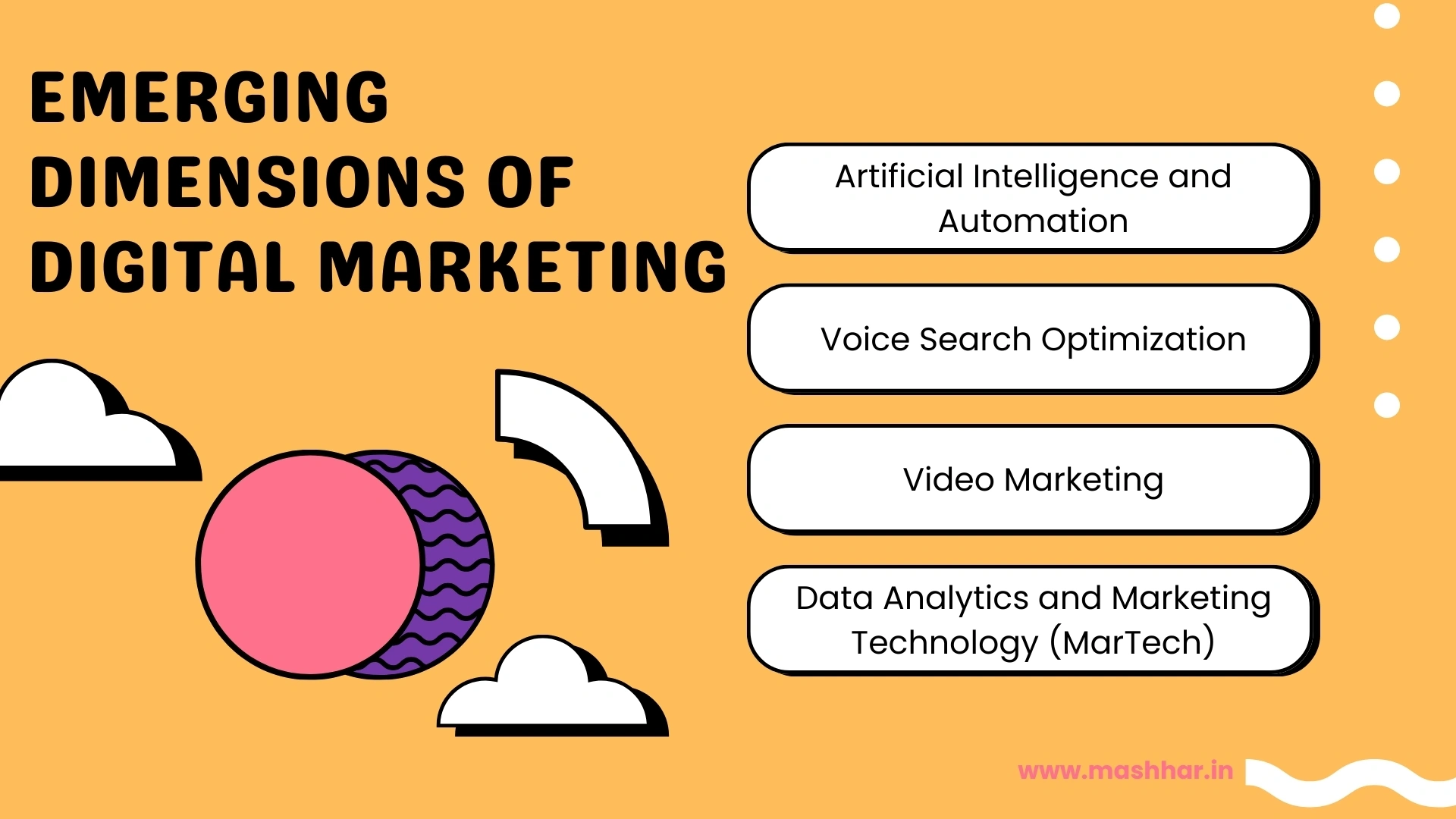
The scope of digital marketing is not static. Technology continues to push its boundaries into new and exciting territories.
Artificial Intelligence and Automation have transformed how marketers work. AI tools now assist with content creation, predictive analytics, chatbot-driven customer service, personalized product recommendations, and automated ad bidding. Marketers who understand how to work alongside AI tools have a significant competitive advantage.
Voice Search Optimization is becoming increasingly important as smart speakers and voice assistants grow in adoption. Optimizing for conversational, question-based queries is a growing subset of SEO that brands can no longer afford to ignore.
Video Marketing continues its explosive growth. Short-form video — led by TikTok, Instagram Reels, and YouTube Shorts — has become the most consumed content format on the internet. Brands that invest in video storytelling consistently outperform those that rely solely on static content.
Data Analytics and Marketing Technology (MarTech) represent a critical layer of modern digital marketing. Platforms like Google Analytics, HubSpot, Salesforce, and Semrush give marketers the ability to track every click, conversion, and customer journey — turning raw data into actionable insights that improve campaigns over time.
Career Opportunities Within the Scope of Digital Marketing
For professionals, the scope of digital marketing translates directly into an enormous range of career paths. The demand for skilled digital marketers continues to outpace supply in markets around the world, making it one of the most future-proof fields to enter.
Roles within the industry include SEO Specialist, PPC Manager, Social Media Strategist, Content Writer, Email Marketing Manager, Digital Marketing Analyst, Brand Manager, Growth Hacker, Marketing Automation Specialist, and Chief Marketing Officer. Each role requires a different blend of creativity, technical knowledge, and data literacy.
Freelancing and remote work are also deeply embedded in the digital marketing world. Many professionals build independent careers managing campaigns for multiple clients across industries, working from anywhere in the world. The low barrier to entry — many skills can be learned through free online resources and certifications — makes digital marketing accessible to people from virtually any educational background.
Influencer and affiliate marketing have opened up yet another dimension within the scope of digital marketing, where professionals manage partnerships, negotiate brand deals, and build performance-based revenue models that connect businesses with highly targeted audiences. This niche has grown into a multi-billion dollar ecosystem with dedicated strategists and campaign managers.
E-commerce marketing is another rapidly expanding area, driven by the explosive growth of online retail. Specialists in this space focus on product listing optimization, conversion rate improvement, cart abandonment strategies, and marketplace advertising across platforms like Amazon, Shopify, and Etsy — skills that are in exceptionally high demand globally.
Data analytics and marketing technology (MarTech) represent a further frontier within the broader scope of digital marketing, where professionals work at the intersection of digital strategy and advanced tooling. From managing CRM platforms and attribution models to interpreting customer journey data, this scope caters to analytically minded individuals who want to shape marketing decisions through measurable insights.
Why the Scope of Digital Marketing Matters for Businesses
For business owners and decision-makers, understanding the scope of digital marketing is not optional — it is strategic. Here’s why Scope of Digital Marketing matters:
Digital marketing offers unmatched cost efficiency. Compared to traditional advertising, even a modest digital budget can generate significant reach and measurable results. Small businesses can compete with large corporations by targeting niche audiences with precision.
It provides real-time measurement. Every campaign can be tracked, analyzed, and optimized. Unlike a television ad where you hope the right people are watching, digital marketing tells you exactly who clicked, who converted, and what it cost.
It enables global reach with local precision. A business can simultaneously target customers in a specific city and run awareness campaigns across international markets — all from the same dashboard.
Most importantly, digital marketing is customer-centric. It meets people where they already are — on their phones, in their inboxes, on search engines — and delivers relevant messages at the right moment in their buying journey.
The Future of Digital Marketing
Looking ahead, the scope of digital marketing will only continue to expand. The integration of augmented reality (AR) into shopping experiences, the growth of connected TV advertising, the rise of zero-party data strategies in a cookieless world, and the deepening role of AI in content and personalization will all define the next chapter of the discipline.This Increase the Scope of Digital Marketing.
What remains constant is the underlying principle: digital marketing is about connecting the right message with the right person at the right time. As technology evolves, the tools change — but the human desire to discover, engage, and be understood does not.
Conclusion
The scope of digital marketing is vast, dynamic, and deeply woven into the fabric of modern business. Whether you’re a student exploring career options, an entrepreneur building a brand, or a seasoned marketer navigating a rapidly shifting landscape, understanding this scope is the first step toward making informed, impactful decisions.
Digital marketing is not a single skill or a single channel — it is an ecosystem. And in that ecosystem, there is room for every kind of thinker, creator, analyst, and strategist. The businesses and professionals who invest in understanding its full scope today are the ones who will lead tomorrow.
Visit My Blogs