
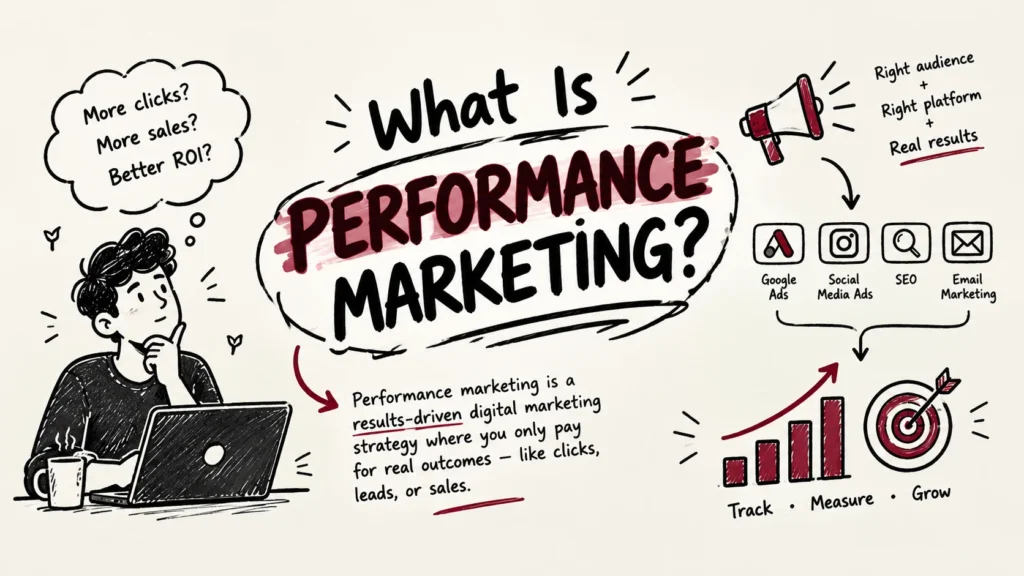
Most advertisers have wondered, at some point, where their money actually went. A newspaper insert or a roadside hoarding may get your name noticed, yet neither can tell you who responded. Performance marketing flips that arrangement. Instead of buying visibility and hoping for the best, you pay when a customer does something you can count, such as filling in a form, calling your shop or placing an order.
This article explains the idea from the ground up: what it means, the mechanics behind it, the channels and billing methods you will meet, the numbers worth watching, and a practical route for beginners.
Understanding the Basics
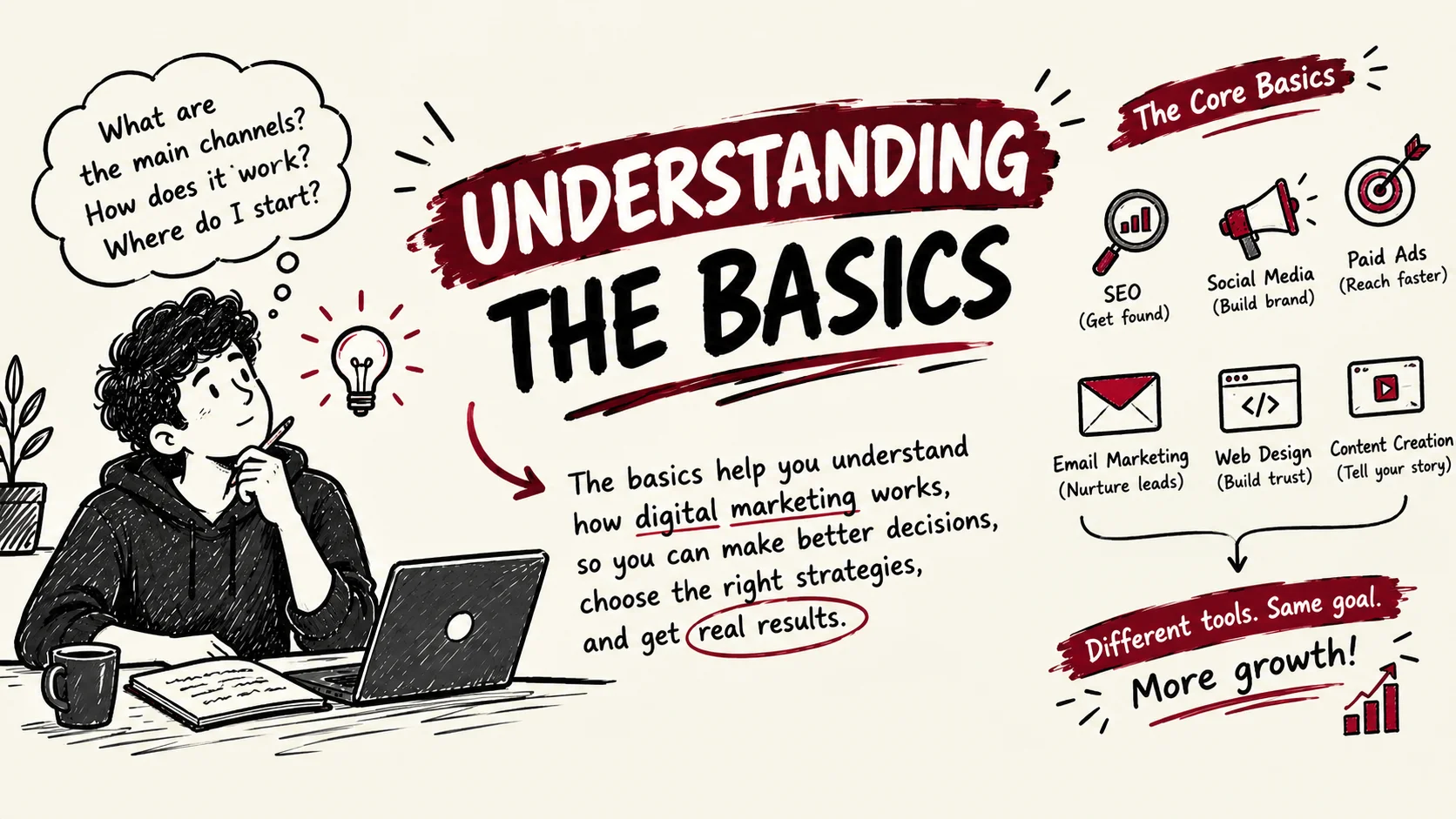
Performance marketing is an advertising approach in which cost follows outcome. Before a campaign starts, the business decides which action carries real value for it. The ad platform or partner then works to deliver that action, and the bill reflects how many were achieved.
Consider two ways of promoting a tuition centre. In the first, the owner pays a fixed fee for a banner in a busy market street. Hundreds may walk past, but nobody can say how many enrolled because of it. In the second, the owner runs an online ad and pays only when a parent submits an enquiry form. The second approach produces a clear figure: this much spent, this many enquiries received.
That clarity is the heart of the method. It lets small shops, online stores, service providers and global brands judge each campaign on evidence instead of instinct
How the Process Works

Four participants are usually involved in a performance campaign:
- The business: the seller who wants more customers, leads or sales.
- The publisher: any site, app, search engine, social platform or creator that shows the promotion.
- The tracking layer: software that records what happens after someone sees or clicks the ad, so every party can verify the results.
- The audience: the people who see the message and decide whether to act.
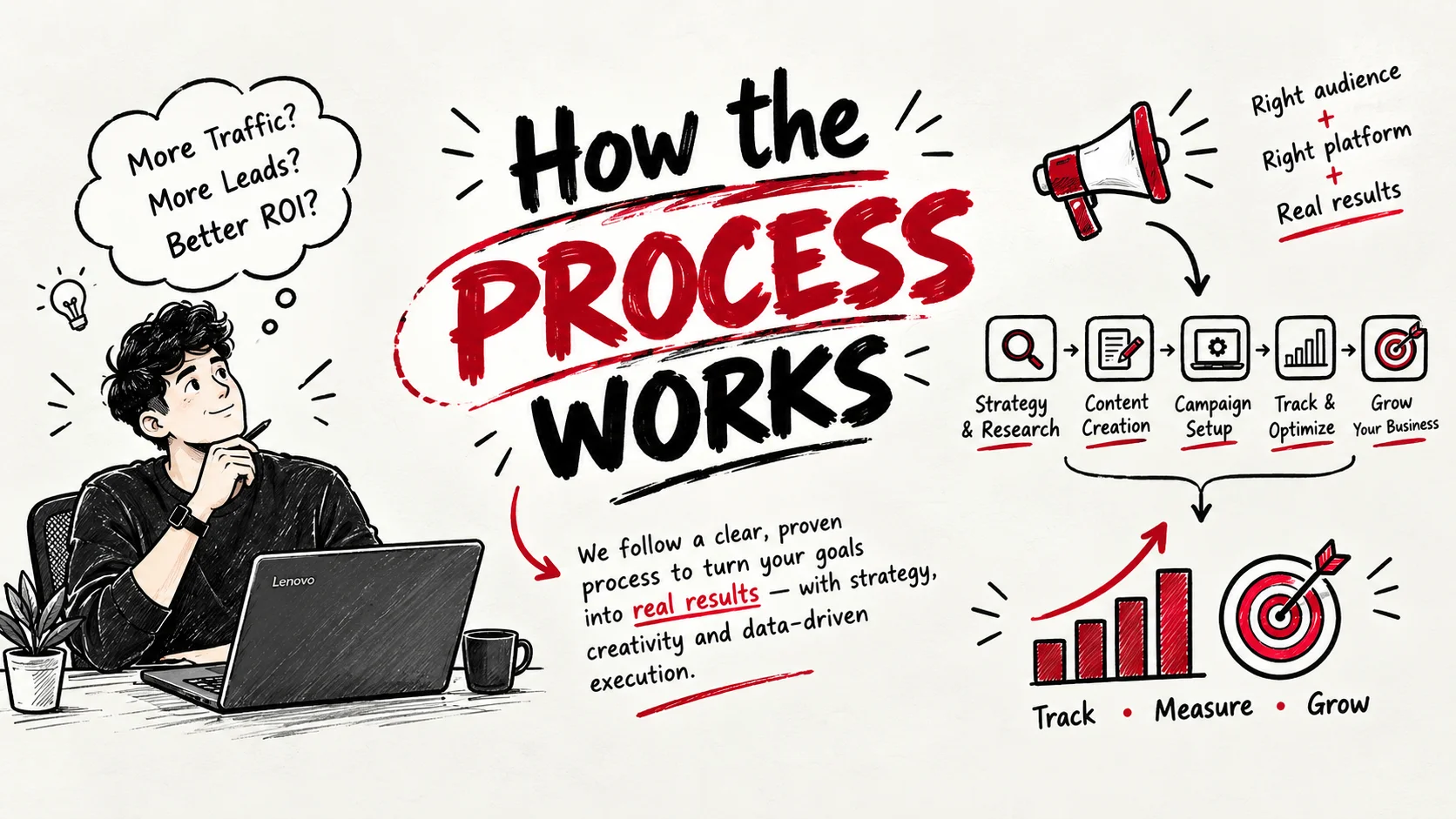
Imagine a home bakery that wants more festival cake orders. It builds an Instagram ad with a seasonal offer and sends viewers to a simple order page. A small tracking snippet on that page notes each completed order. After a week, the owner compares ad spend against orders received. If one image brings orders at half the cost of another, budget moves to the stronger one.
This loop of launch, measure, learn and adjust never really stops. Each campaign leaves behind data that makes the next one sharper.
Common Channels
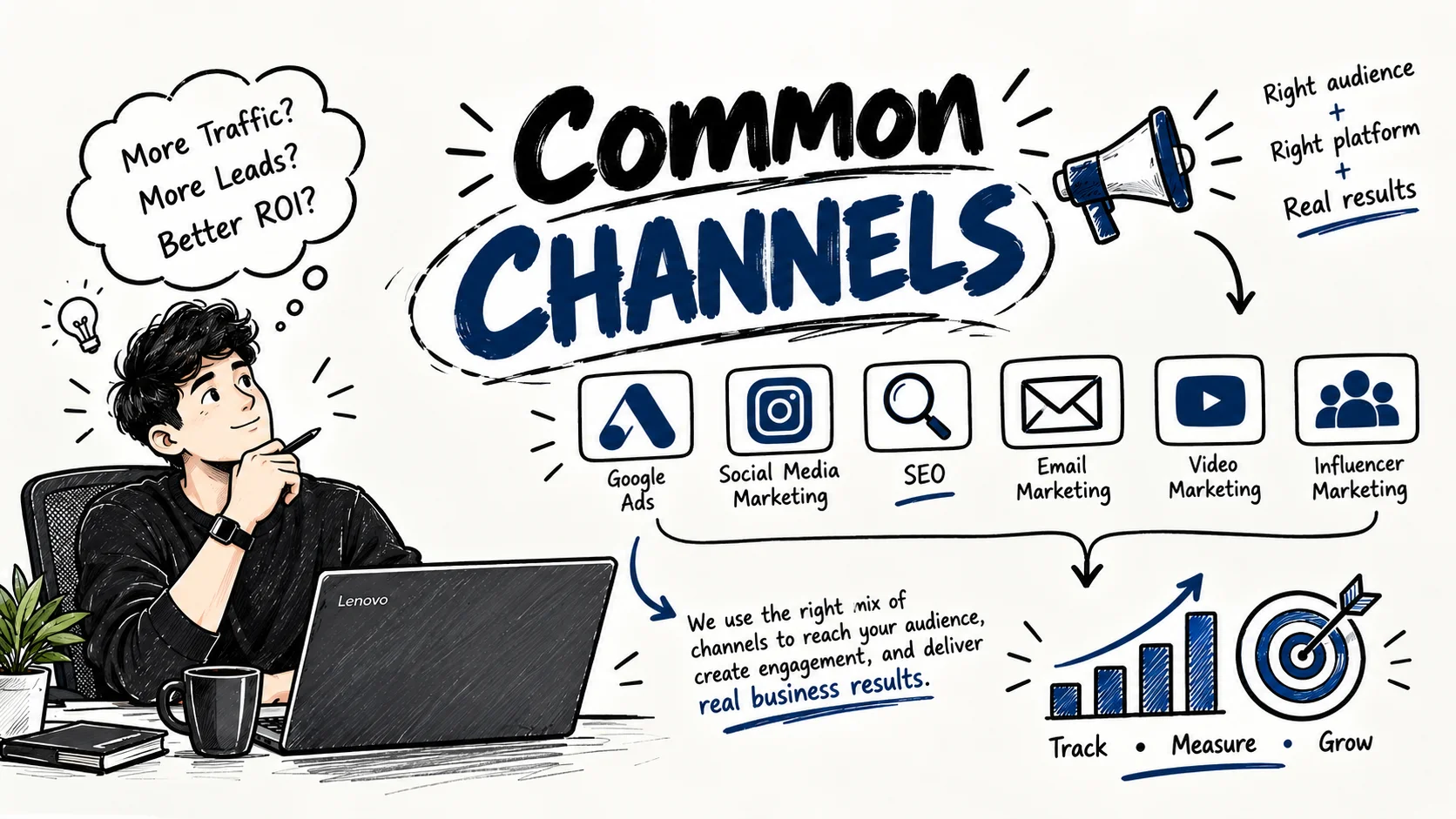
Performance marketing is a way of paying and measuring rather than a single platform, so it appears across many channels.
Paid Search

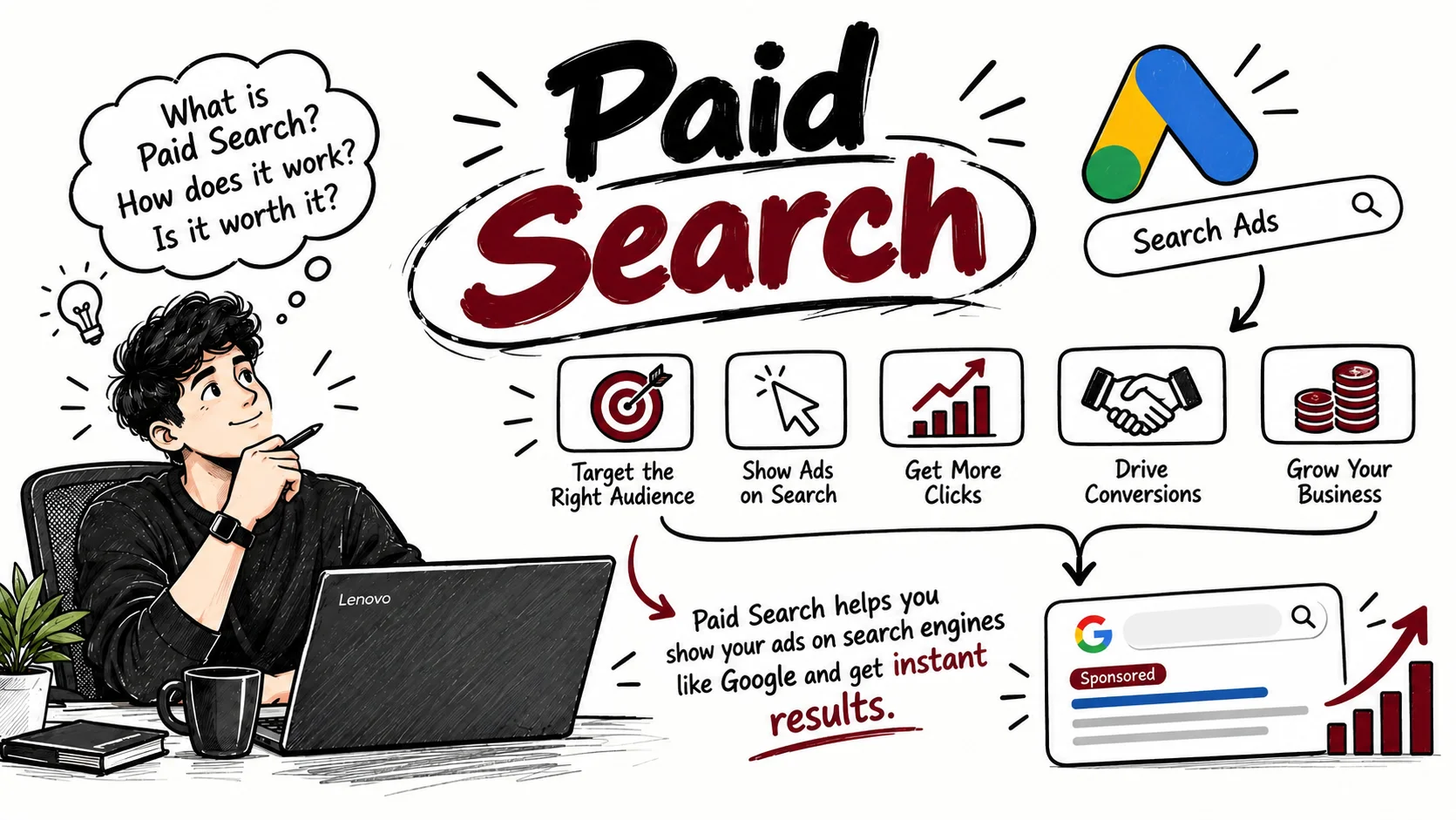
Search ads, such as those on Google, appear when someone types a query related to your offer. Because the person is already looking for a solution, search traffic tends to convert well and quickly.
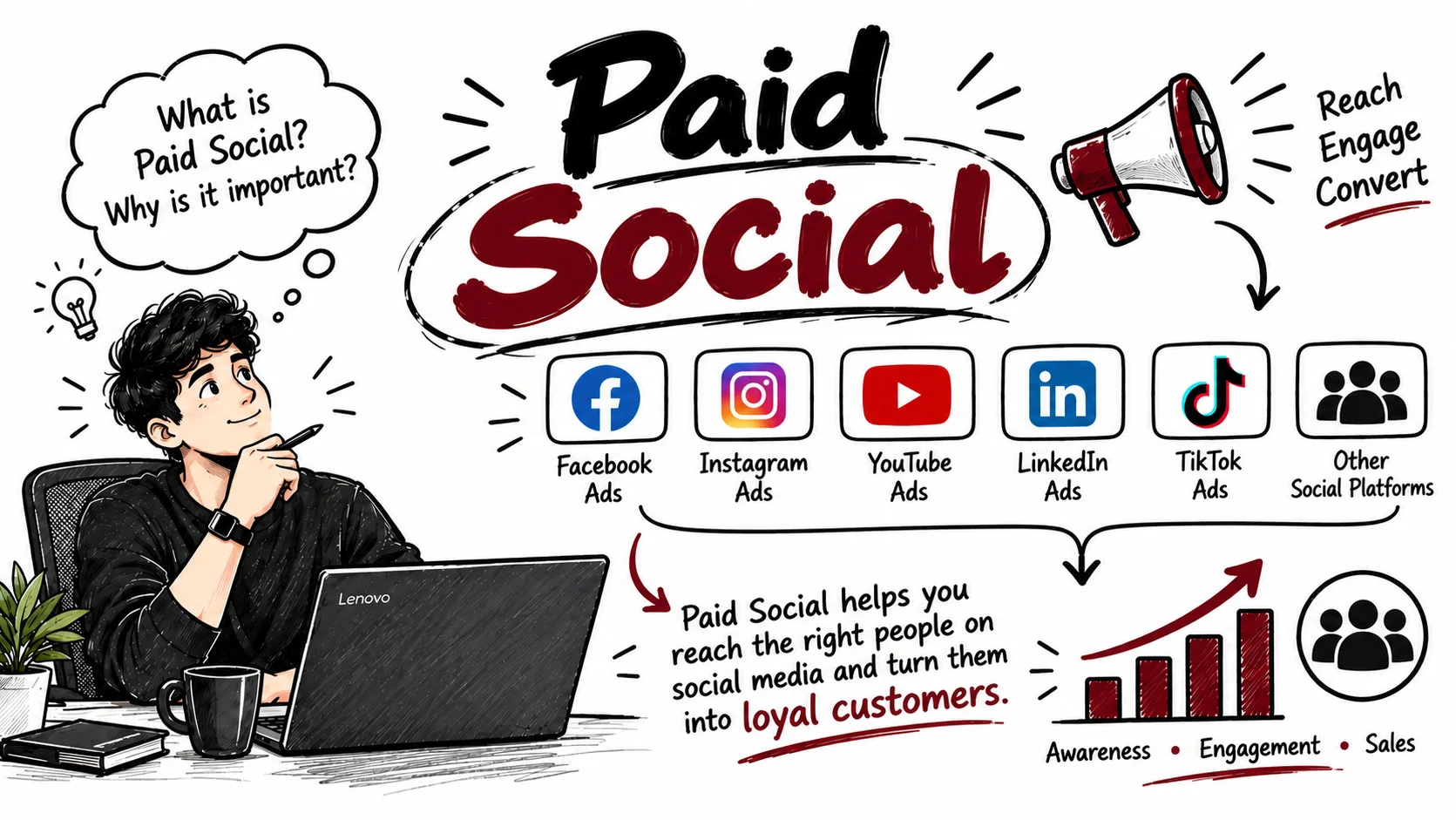
Instagram, Facebook, YouTube and LinkedIn let you aim ads at people by location, age, interests and online behavior. This makes social platforms a favorite for local businesses and online shops that want enquiries or orders.
Affiliate Programs
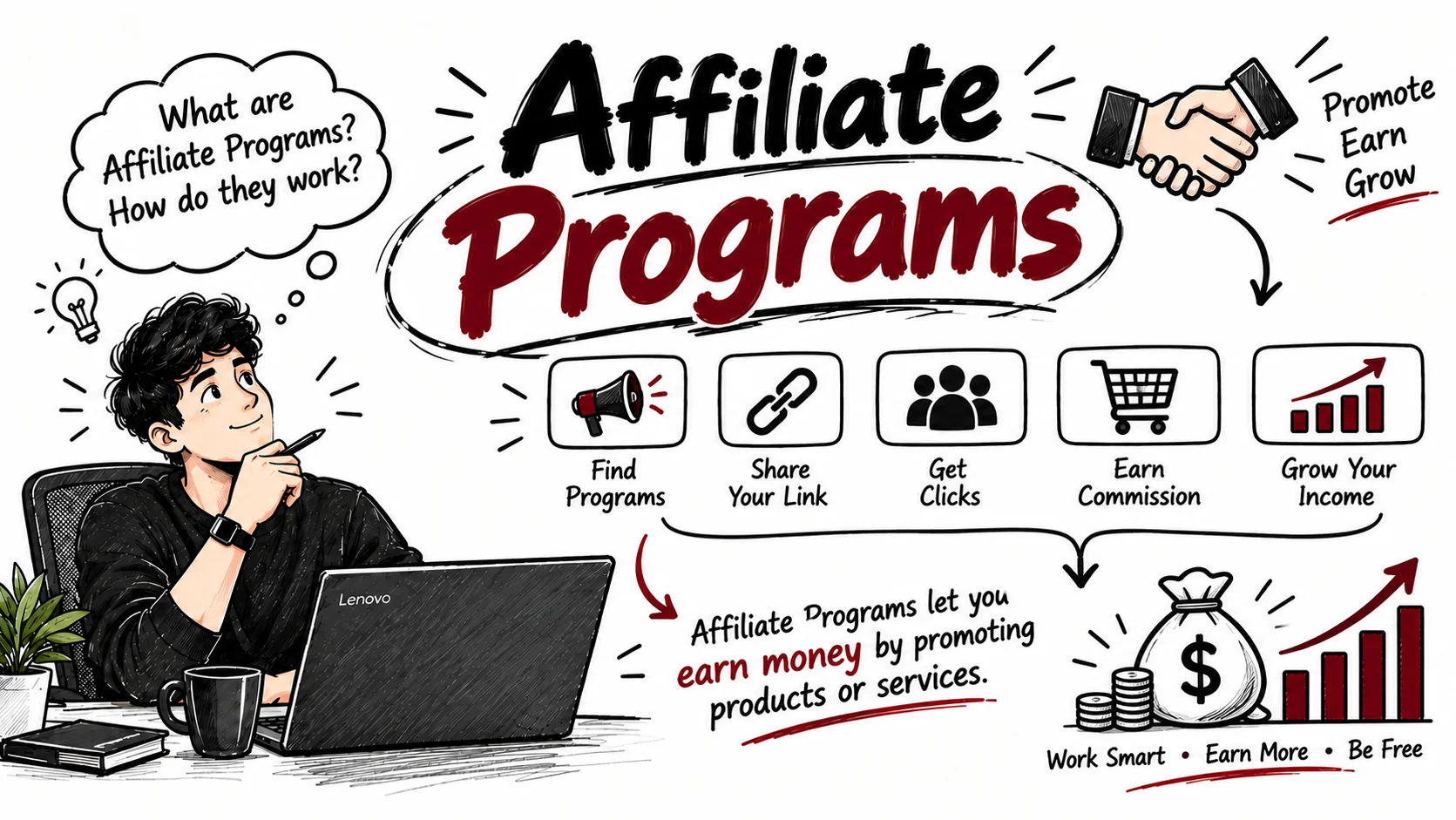
In an affiliate setup, bloggers, reviewers and website owners promote your product through personal tracking links. They earn a commission only when a sale or lead results, so your risk stays low.
Email and Messaging
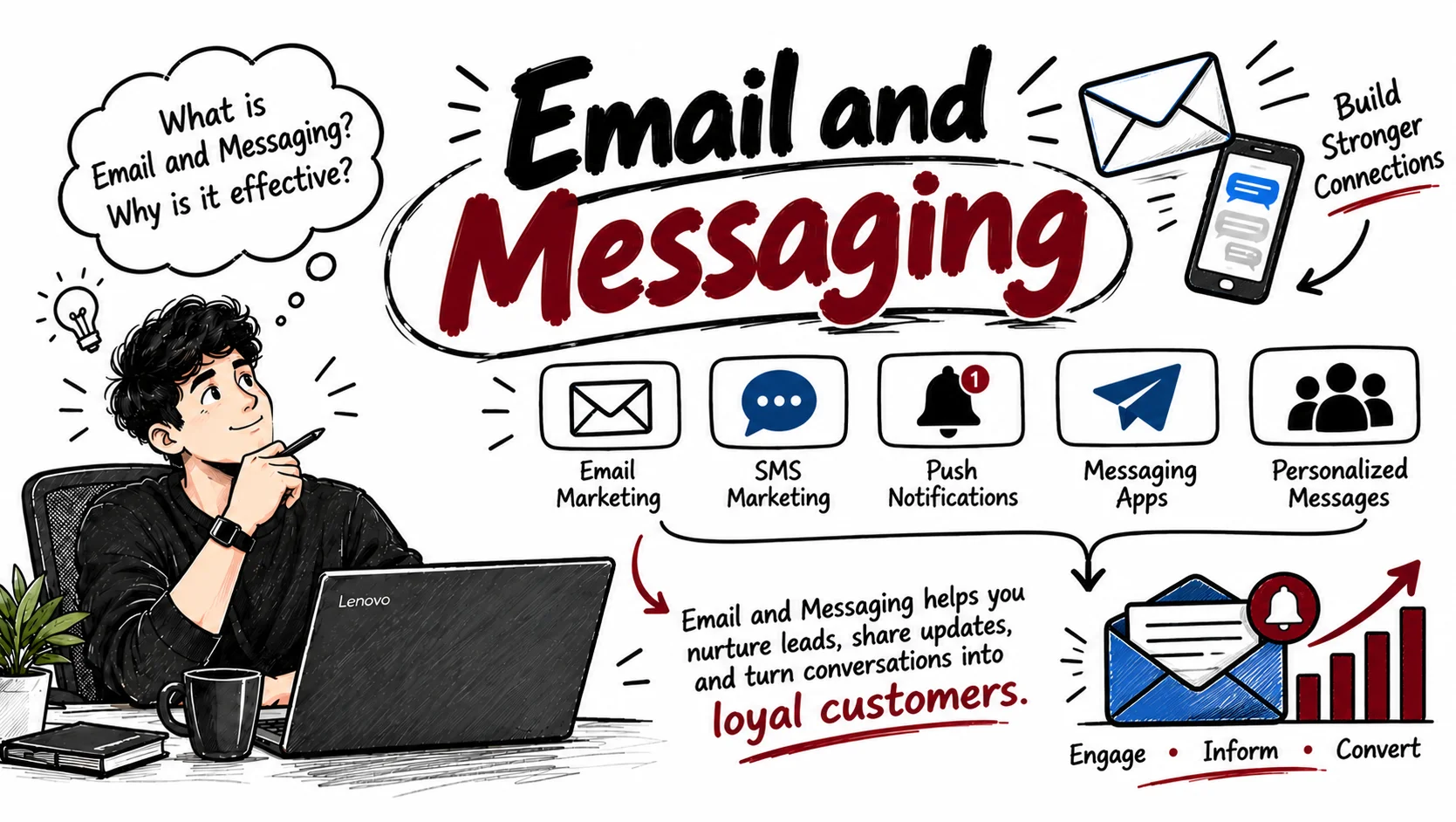
Email remains one of the cheapest ways to bring buyers back. Welcome series, cart reminders and win-back offers can be automated and tracked from start to finish.
Display and Native Ads
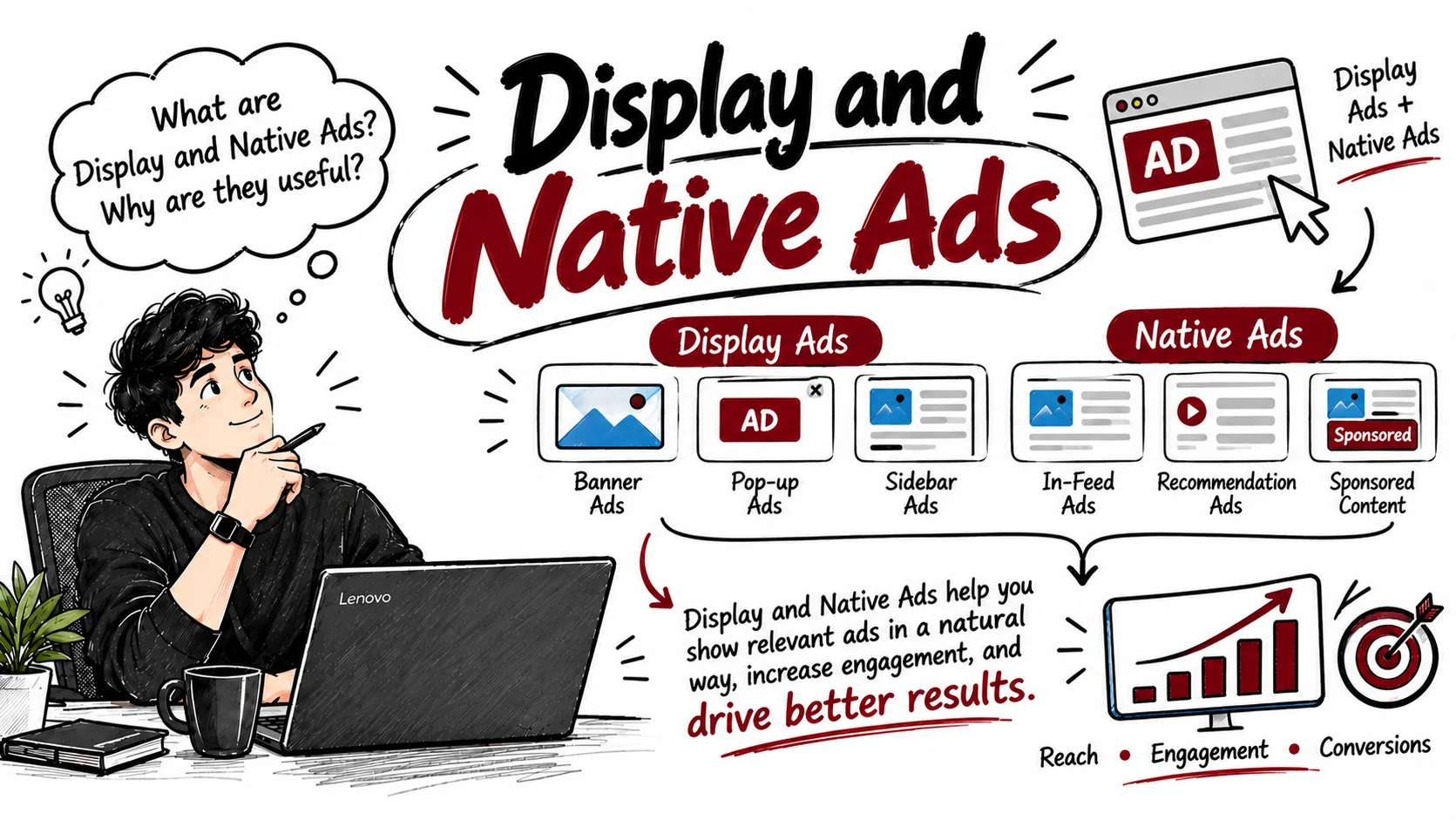
Banner and in-feed ads work best alongside retargeting, which gently reminds past visitors about the product they viewed but did not buy.
Creator Partnerships
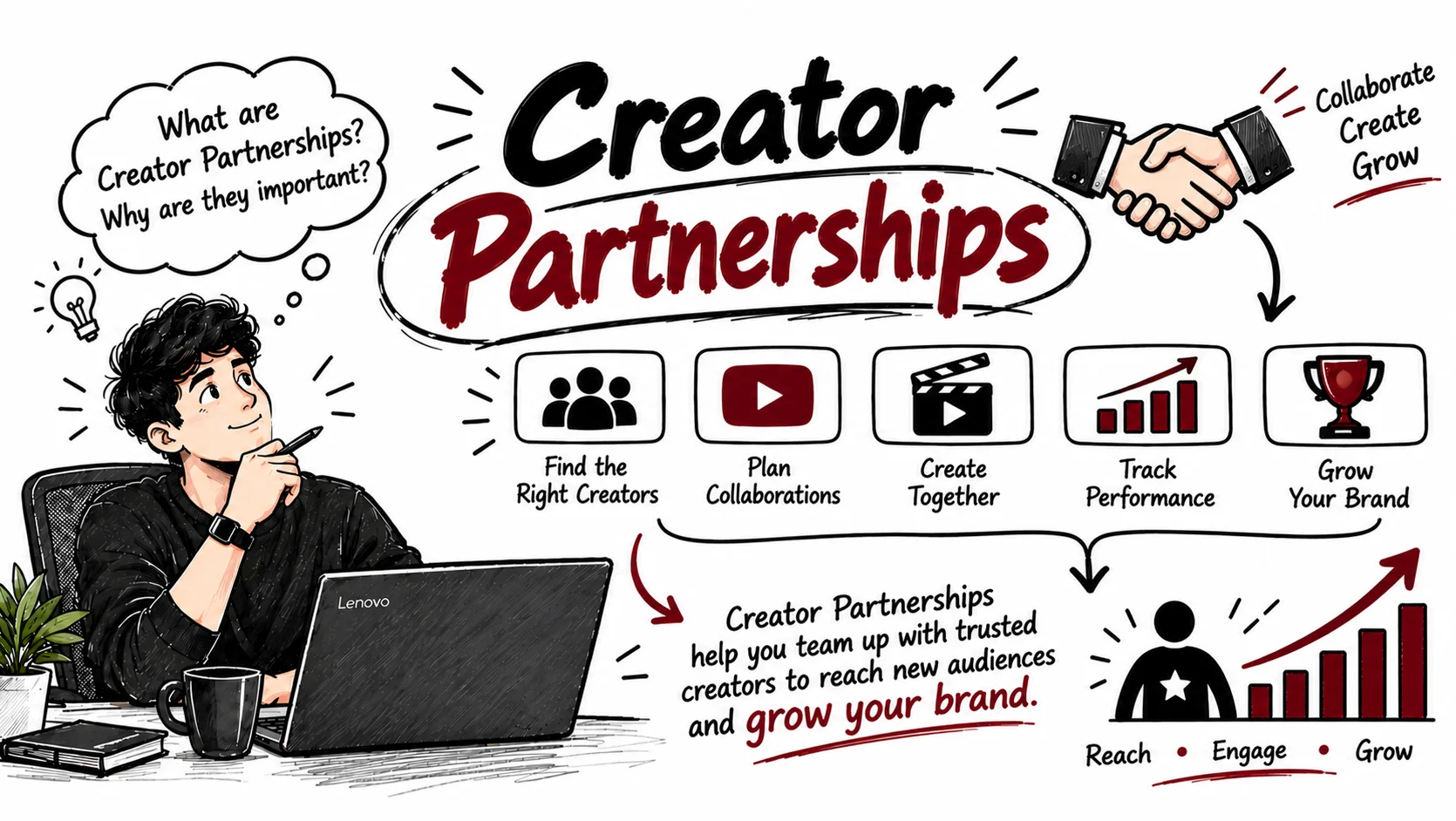
Creators with loyal followers can send trackable traffic using unique links or discount codes. This suits food, fashion, education and lifestyle brands particularly well.
Ways You Can Be Billed
Knowing the billing model helps you set a budget and compare campaigns fairly.
- CPC (cost per click): a charge each time someone clicks the ad.
- CPM (cost per thousand impressions): a charge for every thousand views, often used when awareness matters.
- CPL (cost per lead): a charge when a visitor shares contact details.
- CPA (cost per action): a charge when a defined step, such as a purchase or sign-up, is completed.
- CPI (cost per install): a charge for each new app installation.
- Commission: a percentage of each sale paid to an affiliate partner.
A new brand often starts with clicks or leads to gather early data, then shifts toward action-based billing once it understands what a customer is worth.
Numbers That Matter
Performance marketing runs on measurement. These are the figures to watch most closely:
• Click-through rate (CTR) tells you what percentage of people who see your ad actually click on it. If your CTR is low, it often means your ad creative isn’t grabbing attention or you’re showing it to the wrong audience.
• Conversion rate: the share of visitors who finish the desired action.
• Cost per acquisition (CPA): the average spend needed to win one customer.
• Return on ad spend (ROAS): revenue earned per unit of ad spend. A ROAS of 4 means every unit spent returned four.
• Customer lifetime value (CLV): the total revenue a buyer is likely to bring over time, which tells you how much you can afford to pay for acquisition.
• Return on investment (ROI): your overall profit after all campaign costs.
Read these together rather than alone. High clicks with few sales, for instance, often mean the landing page, not the ad, needs attention.
Performance Marketing vs. Traditional Advertising
The two serve different goals, and many brands use both.
Traditional channels like television, radio, print and outdoor media build broad awareness and brand memory. They usually need a large upfront commitment, offer limited targeting, and make it hard to link spending to sales.
Performance marketing concentrates on action. You can start with a modest budget, reach very specific groups, watch results in near real time, and scale only what proves profitable. That flexibility is why it appeals to businesses that must justify every campaign.
Advantages
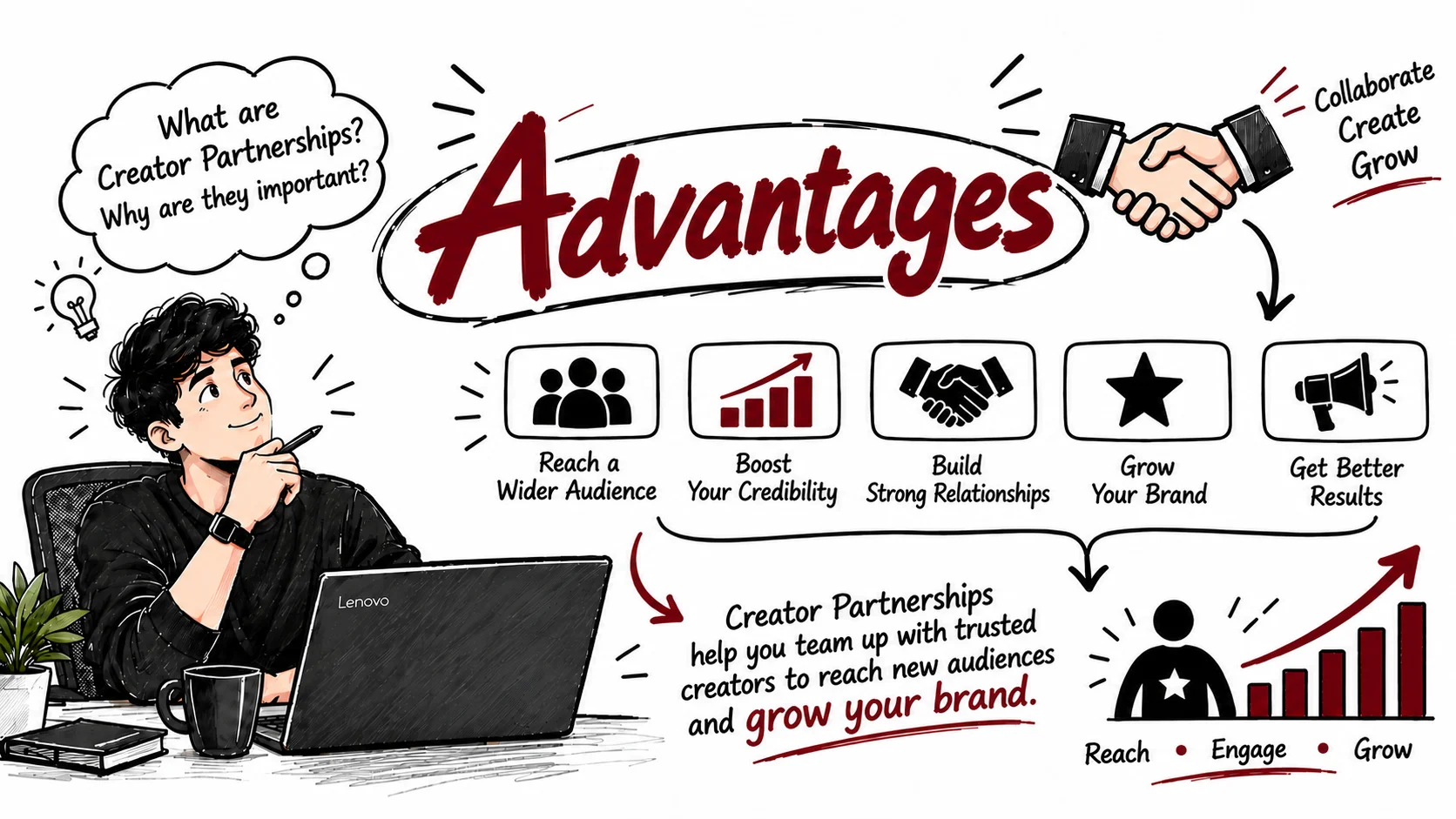
Clear accountability. Every click, enquiry and order can be traced back to its source.
Reduced waste. Payment depends on outcomes, so less money disappears into exposure that leads nowhere.
Sharp targeting. You can reach people by place, interest, device, search intent or earlier contact with your brand.
Quick learning. Data arrives within days, so improvements do not have to wait for the end of a quarter.
Room to grow. Once a campaign is profitable, you can raise spending step by step while keeping an eye on cost per result.
Drawbacks to Keep in Mind
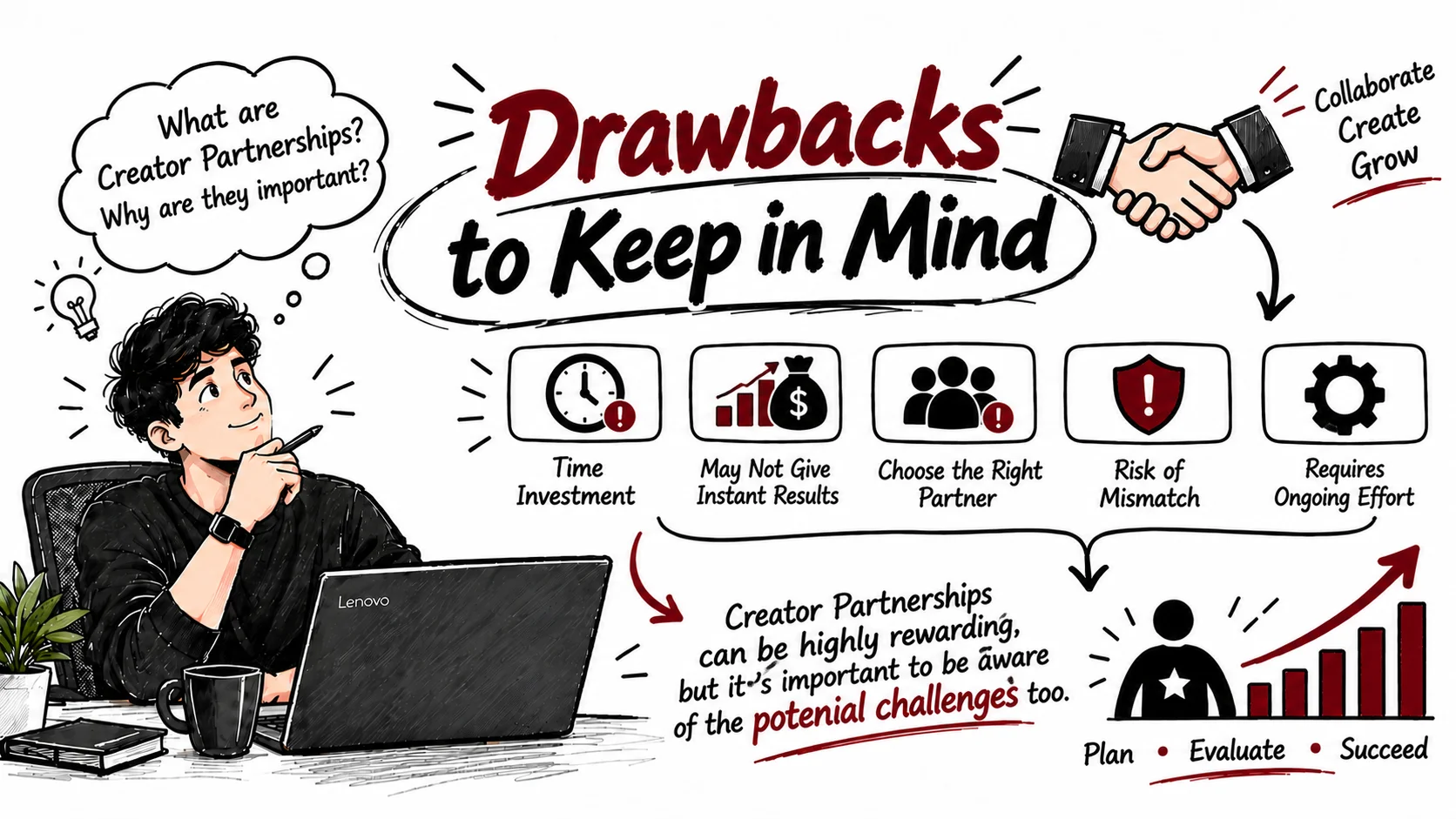
The method is powerful, but it is not effortless.
- Growing competition: more advertisers bidding for the same audience can push prices up.
- Tracking gaps: privacy rules and cookie limits make cross-platform tracking harder, so careful setup is essential.
- Ad fatigue: audiences tire of repeated creatives, so fresh visuals and messages are needed regularly.
- Short-term focus: chasing instant sales can crowd out brand building, which supports long-term growth.
- Skill demands: strong results depend on testing, analysis and steady adjustment.
Most businesses get the best outcome by pairing performance campaigns with good content and a recognizable brand.
Where AI Fits In
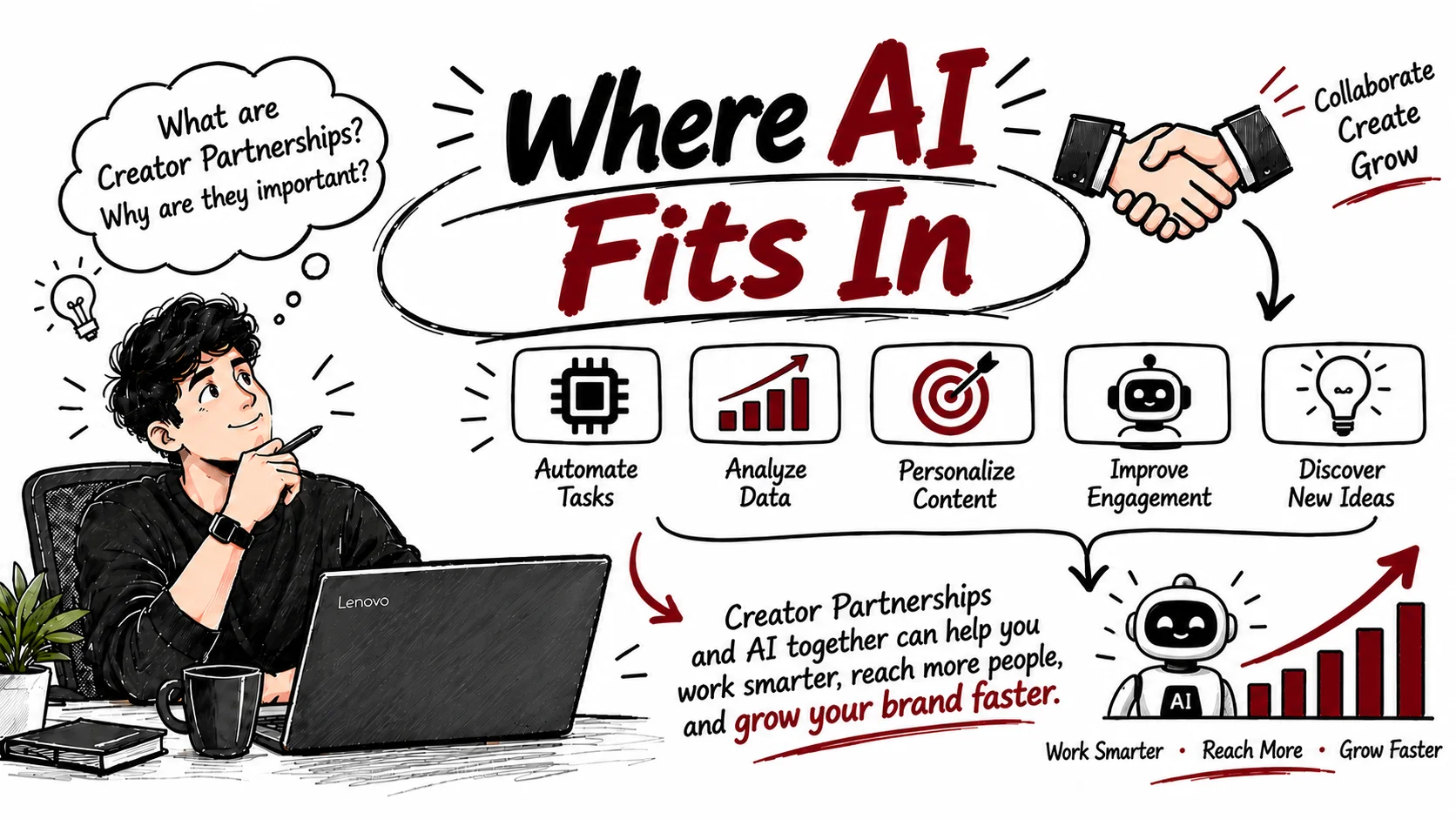
Artificial intelligence now sits inside most advertising platforms. Automated bidding adjusts offers based on how likely a person is to convert. Machine learning finds promising audiences, predicts behavior and compares many ad versions at once. Using writing and design tools, you can create headlines, captions, and visuals much faster than doing everything by hand.
Still, AI works best as a helper. People must set the goals, understand customers, protect the brand voice and interpret the results. Marketers who combine sound strategy with these tools usually move faster and waste less.
A Simple Starting Plan
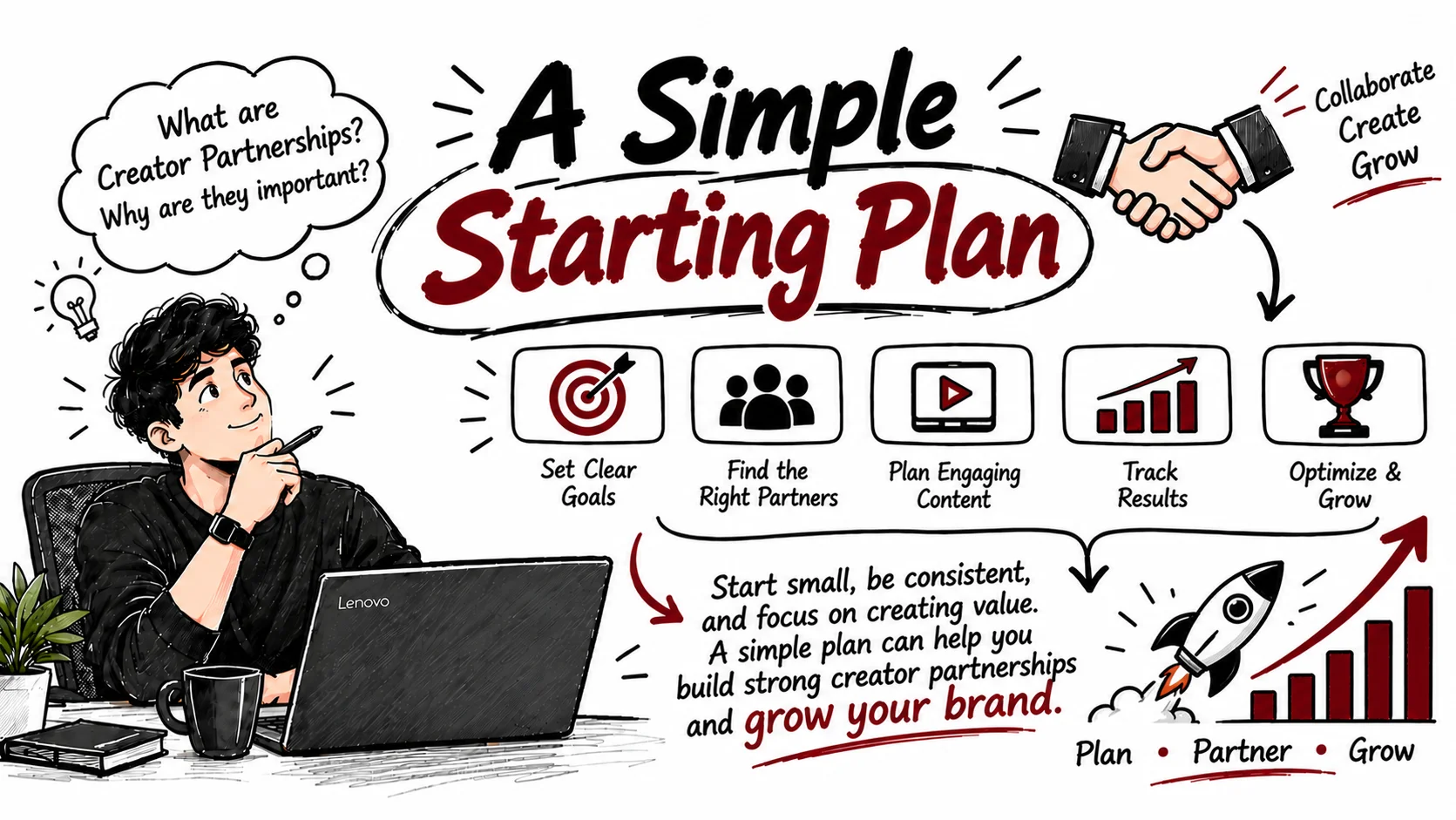
If you are new to this approach, work through these steps in order:
1. Pick one goal. Decide whether you want enquiries, sales, installs or calls.
2. Study your buyers. Learn who they are, what they need and where they spend time online.
3. Start with one or two channels. Choose the platforms your audience already uses, such as Google or Meta.
4. Set up tracking first. Install conversion tracking and analytics before spending anything.
5. Prepare a matching landing page. The page should echo the ad and make the next step obvious.
6. Test with a small budget. Try different headlines, images and audiences side by side.
7. Review every week. Pause weak ads, give more budget to strong ones and keep experimenting.
Frequently Asked Questions (FAQs)
1. What does performance marketing mean in simple terms?
It is online advertising where you pay for a specific result, such as a click, an enquiry or a sale, instead of paying only for exposure. The focus is on outcomes you can measure.
2. Is performance marketing the same as digital marketing?
Not exactly. Digital marketing covers everything done online, including SEO, content, social media and email. Performance marketing is the results-driven portion, where spending is tied directly to measurable actions.
3. What is the minimum budget needed to get started?
You can begin small, even with a few hundred rupees a day, depending on your industry and platform. Early spending is mainly for learning what works. Once a campaign proves itself, you can increase the budget.
4. How soon will I see results?
Search ads can bring enquiries within days. Finding a stable, profitable setup usually takes a few weeks of testing and adjustment, so patience and regular analysis matter.
5. Which platforms work best?
That depends on your audience and goal. Google suits people actively searching for a solution, Meta works well for visual products and local businesses, and affiliate or email marketing offer low-risk growth and repeat sales. Most businesses do best by combining two or three channels.
Conclusion
Performance marketing replaces guesswork with evidence. By paying for real actions such as clicks, enquiries and purchases, a business gains a clear view of what works, firm control over its spending, and the confidence to grow step by step. Search, social, affiliate and email channels are open to almost every business, whatever its size.
Lasting success still depends on a clear goal, accurate tracking, appealing creative and steady optimization. Add AI-assisted insights and a customer-first mindset, and performance marketing can become one of the most dependable growth engines you have. Start small, let the data guide you, and expand what works.
for my blogs click
authored by mirshah